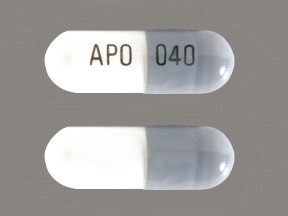
FORM
Capsule
STRENGTH
QUANTITY
*Final prices are shown at checkout.
Don't have a prescription?
Do you already have an Rx?
How Medmind Works
Search for your medication
Find your prescription or over-the-counter medication using our comprehensive database.
Compare prices from multiple pharmacies
View prices from various pharmacies in your area to find the best deals.
Get your prescription filled
Choose your preferred pharmacy and get your medication at the best price.
TL;DR — Quick Summary
Key facts from the full medication guide below
Carefully consider the potential benefits and risks of etodolac and other treatment options before deciding to use etodolac. Use the lowest effective dose for the shortest duration consistent with individual patient treatment goals (see WARNINGS ).
Symptoms following acute NSAID overdose are usually limited to lethargy, drowsiness, nausea, vomiting, and epigastric pain, which are generally reversible with supportive care. Gastrointestinal bleeding can occur, and coma has occurred following massive ibuprofen or mefenamic-acid overdose. Hypertension/hypotension, acute renal failure, and respiratory depression may occur but are rare.
In patients taking etodolac or other NSAIDs, the most frequently reported adverse experiences occurring in approximately 1 to 10% of patients are: Gastrointestinal experiences including: abdominal pain, constipation, diarrhea, dyspepsia, flatulence, gross bleeding/perforation, heartburn, nausea, GI ulcers (gastric/duodenal), vomiting. Other events including: abnormal renal function, anemia, dizziness, edema, elevated liver enzymes, headaches, increased bleeding time, pruritis, rashes, tinnitus.
Cardiovascular Thrombotic Events Nonsteroidal anti-inflammatory drugs (NSAIDs) cause an increased risk of serious cardiovascular thrombotic events, including myocardial infarction and stroke, which can be fatal. This risk may occur early in treatment and may increase with duration of use (see WARNINGS and PRECAUTIONS ). Etodolac is contraindicated in the setting of coronary artery bypass graft (CABG) surgery (see CONTRAINDICATIONS and WARNINGS ).
The urine of patients who take etodolac can give a false-positive reaction for urinary bilirubin (urobilin) due to the presence of phenolic metabolites of etodolac. Diagnostic dip-stick methodology, used to detect ketone bodies in urine, has resulted in false-positive findings in some patients treated with etodolac. Generally, this phenomenon has not been associated with other clinically significant events. No dose relationship has been observed.
Ask MedMind
Questions answered from this medication guide. Sign in to personalize with your meds & labs.
Etodolac (Lodine) Prices
Current MedMind pricing — no insurance required

