Fluoxetine is a a selective serotonin reuptake inhibitor indicated for: Acute and maintenance treatment of Major Depressive Disorder (MDD) in adult and pediatric patients aged 8 to 18 years (1.1) Acute and maintenance treatment of Obsessive Compulsive Disorder (OCD) in adults and pediatric patients aged 7 to 17 years (1.2) Acute and maintenance treatment of Bulimia Nervosa in adult patients (1.3) Acute treatment of Panic Disorder, with or without agoraphobia, in adult patients (1.4)
💊How to take it
Indication Adult Pediatric MDD (2.1) 20 mg/day in am (initial dose) 10 to 20 mg/day (initial dose) OCD (2.2) 20 mg/day in am (initial dose) 10 mg/day (initial dose) Bulimia Nervosa (2.3) 60 mg/day in am - Panic Disorder (2.4) 10 mg/day (initial dose) - A lower or less frequent dosage should be used in patients with hepatic impairment, the elderly, and for patients with concurrent disease or on multiple concomitant medications (2.7)
ℹ️Common side effects
When using fluoxetine and olanzapine in combination, also refer to the Adverse Reactions section of the package insert for Symbyax.
⚠️Serious risks
Antidepressants increased the risk of suicidal thoughts and behavior in children, adolescents, and young adults in short-term studies. These studies did not show an increase in the risk of suicidal thoughts and behavior with antidepressant use in patients over age 24; there was a reduction in risk with antidepressant use in patients aged 65 and older [see Warnings and Precautions (5.1) ].
📋Interactions & cautions
As with all drugs, the potential for interaction by a variety of mechanisms (e.g., pharmacodynamic, pharmacokinetic drug inhibition or enhancement, etc.) is a possibility.
Questions answered from this medication guide. Sign in to personalize with your meds & labs.
Fluoxetine (Prozac) Prices
Current MedMind pricing — no insurance required
Antidepressants increased the risk of suicidal thoughts and behavior in children, adolescents, and young adults in short-term studies. These studies did not show an increase in the risk of suicidal thoughts and behavior with antidepressant use in patients over age 24; there was a reduction in risk with antidepressant use in patients aged 65 and older [see Warnings and Precautions (5.1) ]. In patients of all ages who are started on antidepressant therapy, monitor closely for worsening and for emergence of suicidal thoughts and behaviors. Advise families and caregivers of the need for close observation and communication with the prescriber [see Warnings and Precautions (5.1)]. Fluoxetine is not approved for use in children less than 7 years of age [see Warnings and Precautions (5.1) and Use in Specific Populations (8.4)]. When using fluoxetine and olanzapine in combination, also refer to Boxed Warning section of the package insert for Symbyax. WARNING: SUICIDAL THOUGHTS AND BEHAVIORS See full prescribing information for complete boxed warning. Increased risk of suicidal thinking and behavior in children, adolescents, and young adults taking antidepressants (5.1). Monitor for worsening and emergence of suicidal thoughts and behaviors (5.1). When using fluoxetine and olanzapine in combination, also refer to Boxed Warning section of the package insert for Symbyax
Fluoxetine is a a selective serotonin reuptake inhibitor indicated for: Acute and maintenance treatment of Major Depressive Disorder (MDD) in adult and pediatric patients aged 8 to 18 years (1.1) Acute and maintenance treatment of Obsessive Compulsive Disorder (OCD) in adults and pediatric patients aged 7 to 17 years (1.2) Acute and maintenance treatment of Bulimia Nervosa in adult patients (1.3) Acute treatment of Panic Disorder, with or without agoraphobia, in adult patients (1.4)
Advise patients that use of fluoxetine may cause symptoms of sexual dysfunction in both male and female patients. Inform patients that they should discuss any changes in sexual function and potential management strategies with their healthcare provider [see Warnings and Precautions (5.17)].
Indication Adult Pediatric MDD (2.1) 20 mg/day in am (initial dose) 10 to 20 mg/day (initial dose) OCD (2.2) 20 mg/day in am (initial dose) 10 mg/day (initial dose) Bulimia Nervosa (2.3) 60 mg/day in am - Panic Disorder (2.4) 10 mg/day (initial dose) - A lower or less frequent dosage should be used in patients with hepatic impairment, the elderly, and for patients with concurrent disease or on multiple concomitant medications (2.7)
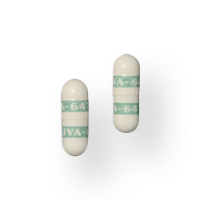
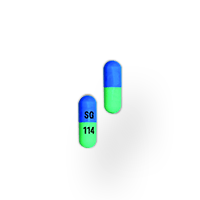
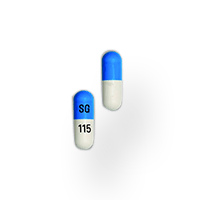
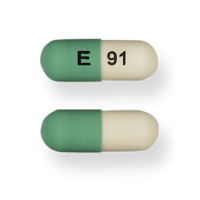
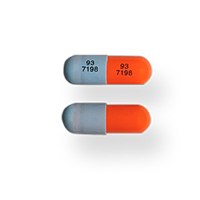
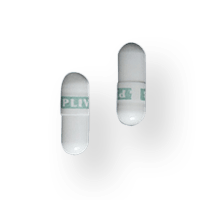
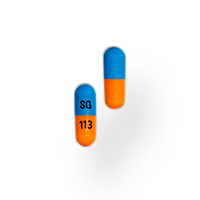
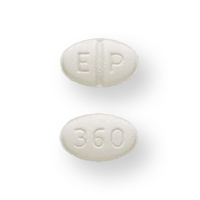
Fluoxetine Tablets USP, 10 mg* are blue, oval shaped biconvex beveled edged film coated tablets, debossed "R" on one side and 0150 other side with break line separating 01 from 50 . Fluoxetine Tablets USP, 20 mg* are white to off white film coated oval shaped beveled edged biconvex tablets debossed with '566' on one side and '20' on other side with breakline separating '2' from '0'. Tablets: 10 mg and 20 mg (3)
When using fluoxetine and olanzapine in combination, also refer to the Contraindications section of the package insert for Symbyax Serotonin Syndrome and MAOIs: Do not use MAOIs intended to treat psychiatric disorders with fluoxetine or within 5 weeks of stopping treatment with fluoxetine. Do not use fluoxetine within 14 days of stopping an MAOI intended to treat psychiatric disorders. In addition, do not start fluoxetine in a patient who is being treated with linezolid or intravenous methylene blue. (4.1) Pimozide: Do not use. Risk of QT prolongation and drug interaction. (4.2, 5.11,7.7, 7.8) Thioridazine: Do not use. Risk of QT interval prolongation and elevated thioridazine plasma levels. Do not use thioridazine within 5 weeks of discontinuing fluoxetine. (4.2, 5.11, 7.7, 7.8) When using fluoxetine and olanzapine in combination, also refer to the Contraindications section of the package insert for Symbyax (4)
When using fluoxetine and olanzapine in combination, also refer to the Warnings and Precautions section of the package insert for Symbyax Clinical Worsening and Suicide Risk: Monitor for clinical worsening and suicidal thinking and behavior (5.1) Serotonin Syndrome: Serotonin syndrome has been reported with SSRIs and SNRIs, including fluoxetine, both when taken alone, but especially when co-administered with other serotonergic agents. If such symptoms occur, discontinue fluoxetine and serotonergic agents and initiate supportive treatment. If concomitant use of fluoxetine with other serotonergic drugs is clinically warranted, patients should be made aware of a potential increased risk for serotonin syndrome, particularly during treatment initiation and dose increases. (5.2) Allergic Reactions and Rash: Discontinue upon appearance of rash or allergic phenomena (5.3) Activation of Mania/Hypomania: Screen for Bipolar Disorder and monitor for mania/hypomania (5.4) Seizures: Use cautiously in patients with a history of seizures or with conditions that potentially lower the seizure threshold (5.5) Altered Appetite and Weight: Significant weight loss has occurred (5.6) Abnormal Bleeding: May increase the risk of bleeding. Use with NSAIDs, aspirin, warfarin, or other drugs that affect coagulation may potentiate the risk of gastrointestinal or other bleeding (5.7) Angle- Closure Glaucoma: Angle-closure glaucoma has occurred in patients with untreated anatomically narrow angles treated with antidepressants (5.8) Hyponatremia: Has been reported with fluoxetine in association with syndrome of inappropriate antidiuretic hormone (SIADH). Consider discontinuing if symptomatic hyponatremia occurs (5.9) Anxiety and Insomnia: May occur (5.10) QT Prolongation: QT prolongation and ventricular arrhythmia including Torsades de Pointes have been reported with fluoxetine use. Use with caution in conditions that predispose to arrhythmias or increased fluoxetine exposure. Use cautiously in patients with risk factors for QT prolongation (4.2, 5.11, 7.7, 7.8, 10.1). Potential for Cognitive and Motor Impairment: Has potential to impair judgment, thinking, and motor skills. Use caution when operating machinery (5.13) Long Half-Life: Changes in dose will not be fully reflected in plasma for several weeks (5.14) Fluoxetine and Olanzapine in Combination: When using fluoxetine and olanzapine in combination, also refer to the Warnings and Precautions section of the package insert for Symbyax (5.16) Sexual Dysfunction: Fluoxetine may cause symptoms of sexual dysfunction. (5.17)
Use of SSRIs, including fluoxetine, may cause symptoms of sexual dysfunction [see Adverse Reactions (6.1)]. In male patients, SSRI use may result in ejaculatory delay or failure, decreased libido, and erectile dysfunction. In female patients, SSRI use may result in decreased libido and delayed or absent orgasm. It is important for prescribers to inquire about sexual function prior to initiation of fluoxetine and to inquire specifically about changes in sexual function during treatment, because sexual function may not be spontaneously reported. When evaluating changes in sexual function, obtaining a detailed history (including timing of symptom onset) is important because sexual symptoms may have other causes, including the underlying psychiatric disorder. Discuss potential management strategies to support patients in making informed decisions about treatment.
When using fluoxetine and olanzapine in combination, also refer to the Adverse Reactions section of the package insert for Symbyax. Most common adverse reactions ( 5% and at least twice that for placebo) associated with: Major Depressive Disorder, Obsessive Compulsive Disorder, Bulimia, and Panic Disorder: abnormal dreams, abnormal ejaculation, anorexia, anxiety, asthenia, diarrhea, dry mouth, dyspepsia, flu syndrome, impotence, insomnia, libido decreased, nausea, nervousness, pharyngitis, rash, sinusitis, somnolence, sweating, tremor, vasodilatation, and yawn (6.1) Fluoxetine and olanzapine in combination Also refer to the Adverse Reactions section of the package insert for Symbyax (6) To report SUSPECTED ADVERSE REACTIONS, contact Dr. Reddy s Laboratories Inc., at 1-888-375-3784 or FDA at 1-800-FDA-1088 or www.fda.gov/medwatch
As with all drugs, the potential for interaction by a variety of mechanisms (e.g., pharmacodynamic, pharmacokinetic drug inhibition or enhancement, etc.) is a possibility. Monoamine Oxidase Inhibitors (MAOIs): (2.9, 2.10, 4.1, 5.2) Drugs Metabolized by CYP2D6: Fluoxetine is a potent inhibitor of CYP2D6 enzyme pathway (7.7) Tricyclic Antidepressants (TCAs): Monitor TCA levels during coadministration with fluoxetine or when fluoxetine has been recently discontinued (5.2, 7.7) CNS Acting Drugs: Caution should be used when taken in combination with other centrally acting drugs (7.2) Benzodiazepines: Diazepam increased t , alprazolam - further psychomotor performance decrement due to increased levels (7.7) Antipsychotics: Potential for elevation of haloperidol and clozapine levels (7.7) Anticonvulsants: Potential for elevated phenytoin and carbamazepine levels and clinical anticonvulsant toxicity (7.7) Serotonergic Drugs: (2.9, 2.10, 4.1, 5.2) Drugs that Interfere with Hemostasis (e.g. NSAIDs, Aspirin, Warfarin): May potentiate the risk of bleeding (7.4) Drugs Tightly Bound to Plasma Proteins: May cause a shift in plasma concentrations (7.6, 7.7) Olanzapine: When used in combination with fluoxetine, also refer to the Drug Interactions section of the package insert for Symbyax (7.7) Drugs that Prolong the QT Interval: Do not use fluoxetine with thioridazine or pimozide. Use with caution in combination with other drugs that prolong the QT interval (4.2, 5.11,7.7, 7.8)
When using fluoxetine and olanzapine in combination, also refer to the Use in Specific Populations section of the package insert for Symbyax. Pregnancy: fluoxetine should be used during pregnancy only if the potential benefit justifies the potential risks to the fetus (8.1) Nursing Mothers: Breast feeding is not recommended (8.3) Pediatric Use: Safety and effectiveness of fluoxetine in patients <8 years of age with Major Depressive Disorder and <7 years of age with OCD have not been established. Hepatic Impairment: Lower or less frequent dosing may be appropriate in patients with cirrhosis (8.6)
Pregnancy Category C Fluoxetine should be used during pregnancy only if the potential benefit justifies the potential risk to the fetus. All pregnancies have a background risk of birth defects, loss, or other adverse outcome regardless of drug exposure. Treatment of Pregnant Women during the First Trimester There are no adequate and well-controlled clinical studies on the use of fluoxetine in pregnant women. Results of a number of published epidemiological studies assessing the risk of fluoxetine exposure during the first trimester of pregnancy have demonstrated inconsistent results. More than 10 cohort studies and case-control studies failed to demonstrate an increased risk for congenital malformations overall. However, one prospective cohort study conducted by the European Network of Teratology Information Services reported an increased risk of cardiovascular malformations in infants born to women (N = 253) exposed to fluoxetine during the first trimester of pregnancy compared to infants of women (N = 1359) who were not exposed to fluoxetine. There was no specific pattern of cardiovascular malformations. Overall, however, a causal relationship has not been established. Nonteratogenic Effects Based on data from published observational studies, exposure to SSRIs,particularly in the month before delivery, has been associated with a less than 2-fold increase in the risk of postpartum hemorrhage [see Warnings and Precautions (5.2) and Clinical Considerations].Neonates exposed to fluoxetine and other SSRIs or serotonin and norepinephrine reuptake inhibitors (SNRIs), late in the third trimester have developed complications requiring prolonged hospitalization, respiratory support, and tube feeding. Such complications can arise immediately upon delivery. Reported clinical findings have included respiratory distress, cyanosis, apnea, seizures, temperature instability, feeding difficulty, vomiting, hypoglycemia, hypotonia, hypertonia, hyperreflexia, tremor, jitteriness, irritability, and constant crying. These features are consistent with either a direct toxic effect of SSRIs and SNRIs or, possibly, a drug discontinuation syndrome. It should be noted that, in some cases, the clinical picture is consistent with serotonin syndrome [see Warnings and Precautions (5.2)]. Infants exposed to SSRIs in pregnancy may have an increased risk for persistent pulmonary hypertension of the newborn (PPHN). PPHN occurs in 1 to 2 per 1,000 live births in the general population and is associated with substantial neonatal morbidity and mortality. Several recent epidemiological studies suggest a positive statistical association between SSRI use (including fluoxetine) in pregnancy and PPHN. Other studies do not show a significant statistical association. Physicians should also note the results of a prospective longitudinal study of 201 pregnant women with a history of major depression, who were either on antidepressants or had received antidepressants less than 12 weeks prior to their last menstrual period, and were in remission. Women who discontinued antidepressant medication during pregnancy showed a significant increase in relapse of their major depression compared to those women who remained on antidepressant medication throughout pregnancy. When treating a pregnant woman with fluoxetine, the physician should carefully consider both the potential risks of taking an SSRI, along with the established benefits of treating depression with an antidepressant. The decision can only be made on a case by case basis [see Dosage and Administration (2.7)]. Maternal Adverse Reactions Use of fluoxetine in the month before delivery may be associated with an increased risk of postpartum hemorrhage [see Warnings and Precautions (5.2)]. Animal Data In embryo-fetal development studies in rats and rabbits, there was no evidence of teratogenicity following administration of fluoxetine at doses up to 12.5 and 15 mg/kg/day, respectively (1.5 and 3.6 times, respectively, the maximum recommended human dose (MRHD) of 80 mg on a mg/m2 basis) throughout organogenesis. However, in rat reproduction studies, an increase in stillborn pups, a decrease in pup weight, and an increase in pup deaths during the first 7 days postpartum occurred following maternal exposure to 12 mg/kg/day (1.5 times the MRHD on a mg/m2 basis) during gestation or 7.5 mg/kg/day (0.9 times the MRHD on a mg/m2 basis) during gestation and lactation. There was no evidence of developmental neurotoxicity in the surviving offspring of rats treated with 12 mg/kg/day during gestation. The no-effect dose for rat pup mortality was 5 mg/kg/day (0.6 times the MRHD on a mg/m2 basis).
The effect of fluoxetine on labor and delivery in humans is unknown. However, because fluoxetine crosses the placenta and because of the possibility that fluoxetine may have adverse effects on the newborn, fluoxetine should be used during labor and delivery only if the potential benefit justifies the potential risk to the fetus.
Because fluoxetine is excreted in human milk, nursing while on fluoxetine is not recommended. In one breast-milk sample, the concentration of fluoxetine plus norfluoxetine was 70.4 ng/mL. The concentration in the mother s plasma was 295.0 ng/mL. No adverse effects on the infant were reported. In another case, an infant nursed by a mother on fluoxetine developed crying, sleep disturbance, vomiting, and watery stools. The infant s plasma drug levels were 340 ng/mL of fluoxetine and 208 ng/mL of norfluoxetine on the second day of feeding.
Use of Fluoxetine in Children The efficacy of fluoxetine for the treatment of Major Depressive Disorder was demonstrated in two 8- to 9-week placebo-controlled clinical trials with 315 pediatric outpatients ages 8 to 18 [see Clinical Studies (14.1) ]. The efficacy of fluoxetine for the treatment of OCD was demonstrated in one 13-week placebo-controlled clinical trial with 103 pediatric outpatients ages 7 to <18 [see Clinical Studies (14.2) ]. The safety and effectiveness in pediatric patients <8 years of age in Major Depressive Disorder and <7 years of age in OCD have not been established. Fluoxetine pharmacokinetics were evaluated in 21 pediatric patients (ages 6 to 18) with Major Depressive Disorder or OCD [see Clinical Pharmacology (12.3) ]. The acute adverse reaction profiles observed in the 3 studies (N=418 randomized; 228 fluoxetine-treated, 190 placebo-treated) were generally similar to that observed in adult studies with fluoxetine. The longer-term adverse reaction profile observed in the 19-week Major Depressive Disorder study (N=219 randomized; 109 fluoxetine-treated, 110 placebo-treated) was also similar to that observed in adult trials with fluoxetine [see Adverse Reactions (6.1) ]. Manic reaction, including mania and hypomania, was reported in 6 (1 mania, 5 hypomania) out of 228 (2.6%) fluoxetine-treated patients and in 0 out of 190 (0%) placebo-treated patients. Mania/hypomania led to the discontinuation of 4 (1.8%) fluoxetine-treated patients from the acute phases of the 3 studies combined. Consequently, regular monitoring for the occurrence of mania/hypomania is recommended. As with other SSRIs, decreased weight gain has been observed in association with the use of fluoxetine in children and adolescent patients. After 19 weeks of treatment in a clinical trial, pediatric subjects treated with fluoxetine gained an average of 1.1 cm less in height and 1.1 kg less in weight than subjects treated with placebo. In addition, fluoxetine treatment was associated with a decrease in alkaline phosphatase levels. The safety of fluoxetine treatment for pediatric patients has not been systematically assessed for chronic treatment longer than several months in duration. In particular, there are no studies that directly evaluate the longer-term effects of fluoxetine on the growth, development and maturation of children and adolescent patients. Therefore, height and weight should be monitored periodically in pediatric patients receiving fluoxetine. [see Warnings and Precautions (5.6) ]. Fluoxetine is approved for use in pediatric patients with MDD and OCD [see Box Warning and Warnings and Precautions (5.1) ]. Anyone considering the use of fluoxetine in a child or adolescent must balance the potential risks with the clinical need. Animal Data Significant toxicity on muscle tissue, neurobehavior, reproductive organs, and bone development has been observed following exposure of juvenile rats to fluoxetine from weaning through maturity. Oral administration of fluoxetine to rats from weaning postnatal day 21 through adulthood day 90 at 3, 10, or 30 mg/kg/day was associated with testicular degeneration and necrosis, epididymal vacuolation and hypospermia (at 30 mg/kg/day corresponding to plasma exposures [AUC] approximately 5 to 10 times the average AUC in pediatric patients at the MRHD of 20 mg/day), increased serum levels of creatine kinase (at AUC as low as 1 to 2 times the average AUC in pediatric patients at the MRHD of 20 mg/day), skeletal muscle degeneration and necrosis, decreased femur length/growth and body weight gain (at AUC 5 to 10 times the average AUC in pediatric patients at the MRHD of 20 mg/day). The high dose of 30 mg/kg/day exceeded a maximum tolerated dose. When animals were evaluated after a drug-free period (up to 11 weeks after cessation of dosing), fluoxetine was associated with neurobehavioral abnormalities (decreased reactivity at AUC as low as approximately 0.1 to 0.2 times the average AUC in pediatric patients at the MRHD and learning deficit at the high dose), and reproductive functional impairment (decreased mating at all doses and impaired fertility at the high dose). In addition, the testicular and epididymal microscopic lesions and decreased sperm concentrations found in high dose group were also observed, indicating that the drug effects on reproductive organs are irreversible. The reversibility of fluoxetine-induced muscle damage was not assessed. These fluoxetine toxicities in juvenile rats have not been observed in adult animals. Plasma exposures (AUC) to fluoxetine in juvenile rats receiving 3, 10, or 30 mg/kg/day doses in this study are approximately 0.1 to 0.2, 1 to 2, and 5 to 10 times, respectively, the average exposure in pediatric patients receiving the MRHD of 20 mg/day. Rat exposures to the major metabolite, norfluoxetine, are approximately 0.3 to 0.8, 1 to 8, and 3 to 20 times, respectively, the pediatric exposure at the MRHD. A specific effect on bone development was reported in juvenile mice administered fluoxetine by the intraperitoneal route to 4 week old mice for 4 weeks at doses 0.5 and 2 times the oral MRHD of 20 mg/day on mg/m2 basis. There was a decrease in bone mineralization and density at both doses, but the overall growth (body weight gain or femur length) was not affected.
U.S. fluoxetine clinical trials included 687 patients 65 years of age and 93 patients 75 years of age. The efficacy in geriatric patients has been established [see Clinical Studies (14.1) ]. For pharmacokinetic information in geriatric patients, [see Clinical Pharmacology (12.4) ]. No overall differences in safety or effectiveness were observed between these subjects and younger subjects, and other reported clinical experience has not identified differences in responses between the elderly and younger patients, but greater sensitivity of some older individuals cannot be ruled out. SNRIs and SSRIs, including fluoxetine, have been associated with cases of clinically significant hyponatremia in elderly patients, who may be at greater risk for this adverse reaction [see Warnings and Precautions (5.9) ].
Fluoxetine tablets USP is a selective serotonin reuptake inhibitor for oral administration. It is designated ( )-N-methyl-3-phenyl-3-[( , , -trifluoro-p-tolyl)oxy]propylamine hydrochloride and has the molecular formula of C17H18F3NO HCl. Its molecular weight is 345.79. The structural formula is: Fluoxetine hydrochloride USP is a white to off-white crystalline powder, sparingly soluble in water and in dichloromethane; freely soluble in methanol, and in alcohol, practically insoluble in ether. Each tablet contains fluoxetine hydrochloride USP equivalent to 10 mg (32.3 mol) and 20 mg (64.7 mol) of fluoxetine. The tablet also contains colloidal silicon dioxide, croscarmellose sodium, magnesium stearate, microcrystalline cellulose, and pregelatinized corn starch. In addition, the coating for each tablet contains FD&C Blue #1 (10 mg), hydroxypropyl methylcellulose, polyethylene glycol, and titanium dioxide.
Although the exact mechanism of fluoxetine is unknown, it is presumed to be linked to its inhibition of CNS neuronal uptake of serotonin.
Studies at clinically relevant doses in man have demonstrated that fluoxetine blocks the uptake of serotonin into human platelets. Studies in animals also suggest that fluoxetine is a much more potent uptake inhibitor of serotonin than of norepinephrine. Antagonism of muscarinic, histaminergic, and 1-adrenergic receptors has been hypothesized to be associated with various anticholinergic, sedative, and cardiovascular effects of classical tricyclic antidepressant (TCA) drugs. Fluoxetine binds to these and other membrane receptors from brain tissue much less potently in vitro than do the tricyclic drugs.
Systemic Bioavailability In man, following a single oral 40 mg dose, peak plasma concentrations of fluoxetine from 15 to 55 ng/mL are observed after 6 to 8 hours. The tablet, capsule, oral solution, and fluoxetine weekly capsule dosage forms of fluoxetine are bioequivalent. Food does not appear to affect the systemic bioavailability of fluoxetine, although it may delay its absorption by 1 to 2 hours, which is probably not clinically significant. Thus, fluoxetine may be administered with or without food. Fluoxetine Weekly capsules, a delayed-release formulation, contain enteric-coated pellets that resist dissolution until reaching a segment of the gastrointestinal tract where the pH exceeds 5.5. The enteric coating delays the onset of absorption of fluoxetine 1 to 2 hours relative to the immediate-release formulations. Protein Binding Over the concentration range from 200 to 1000 ng/mL, approximately 94.5% of fluoxetine is bound in vitro to human serum proteins, including albumin and 1-glycoprotein. The interaction between fluoxetine and other highly protein-bound drugs has not been fully evaluated, but may be important. Enantiomers Fluoxetine is a racemic mixture (50/50) of R-fluoxetine and S-fluoxetine enantiomers. In animal models, both enantiomers are specific and potent serotonin uptake inhibitors with essentially equivalent pharmacologic activity. The S-fluoxetine enantiomer is eliminated more slowly and is the predominant enantiomer present in plasma at steady state. Metabolism Fluoxetine is extensively metabolized in the liver to norfluoxetine and a number of other unidentified metabolites. The only identified active metabolite, norfluoxetine, is formed by demethylation of fluoxetine. In animal models, S-norfluoxetine is a potent and selective inhibitor of serotonin uptake and has activity essentially equivalent to R- or S-fluoxetine. R-norfluoxetine is significantly less potent than the parent drug in the inhibition of serotonin uptake. The primary route of elimination appears to be hepatic metabolism to inactive metabolites excreted by the kidney. Variability in Metabolism A subset (about 7%) of the population has reduced activity of the drug metabolizing enzyme cytochrome P450 2D6 (CYP2D6). Such individuals are referred to as poor metabolizers of drugs such as debrisoquin, dextromethorphan, and the TCAs. In a study involving labeled and unlabeled enantiomers administered as a racemate, these individuals metabolized S-fluoxetine at a slower rate and thus achieved higher concentrations of S-fluoxetine. Consequently, concentrations of S-norfluoxetine at steady state were lower. The metabolism of R-fluoxetine in these poor metabolizers appears normal. When compared with normal metabolizers, the total sum at steady state of the plasma concentrations of the 4 active enantiomers was not significantly greater among poor metabolizers. Thus, the net pharmacodynamic activities were essentially the same. Alternative, nonsaturable pathways (non-2D6) also contribute to the metabolism of fluoxetine. This explains how fluoxetine achieves a steady-state concentration rather than increasing without limit. Because fluoxetine s metabolism, like that of a number of other compounds including TCAs and other selective serotonin reuptake inhibitors (SSRIs), involves the CYP2D6 system, concomitant therapy with drugs also metabolized by this enzyme system (such as the TCAs) may lead to drug interactions [see Drug Interactions (7.7)]. Accumulation and Slow Elimination The relatively slow elimination of fluoxetine (elimination half-life of 1 to 3 days after acute administration and 4 to 6 days after chronic administration) and its active metabolite, norfluoxetine (elimination half-life of 4 to 16 days after acute and chronic administration), leads to significant accumulation of these active species in chronic use and delayed attainment of steady state, even when a fixed dose is used [see Warnings and Precautions (5.14)]. After 30 days of dosing at 40 mg/day, plasma concentrations of fluoxetine in the range of 91 to 302 ng/mL and norfluoxetine in the range of 72 to 258 ng/mL have been observed. Plasma concentrations of fluoxetine were higher than those predicted by single-dose studies, because fluoxetine s metabolism is not proportional to dose. Norfluoxetine, however, appears to have linear pharmacokinetics. Its mean terminal half-life after a single dose was 8.6 days and after multiple dosing was 9.3 days. Steady-state levels after prolonged dosing are similar to levels seen at 4 to 5 weeks. The long elimination half-lives of fluoxetine and norfluoxetine assure that, even when dosing is stopped, active drug substance will persist in the body for weeks (primarily depending on individual patient characteristics, previous dosing regimen, and length of previous therapy at discontinuation). This is of potential consequence when drug discontinuation is required or when drugs are prescribed that might interact with fluoxetine and norfluoxetine following the discontinuation of fluoxetine.
Carcinogenicity The dietary administration of fluoxetine to rats and mice for 2 years at doses of up to 10 and 12 mg/kg/day, respectively [approximately 1.2 and 0.7 times, respectively, the maximum recommended human dose (MRHD) of 80 mg on a mg/m2 basis], produced no evidence of carcinogenicity. Mutagenicity Fluoxetine and norfluoxetine have been shown to have no genotoxic effects based on the following assays: bacterial mutation assay, DNA repair assay in cultured rat hepatocytes, mouse lymphoma assay, and in vivo sister chromatid exchange assay in Chinese hamster bone marrow cells. Impairment of Fertility Two fertility studies conducted in adult rats at doses of up to 7.5 and 12.5 mg/kg/day (approximately 0.9 and 1.5 times the MRHD on a mg/m2 basis) indicated that fluoxetine had no adverse effects on fertility. However, adverse effects on fertility were seen when juvenile rats were treated with fluoxetine [see Use in Specific Populations (8.4)] .
Phospholipids are increased in some tissues of mice, rats, and dogs given fluoxetine chronically. This effect is reversible after cessation of fluoxetine treatment. Phospholipid accumulation in animals has been observed with many cationic amphiphilic drugs, including fenfluramine, imipramine, and ranitidine. The significance of this effect in humans is unknown.
When using fluoxetine and olanzapine in combination, also refer to the Clinical Studies section of the package insert for Symbyax.
Fluoxetine Tablets USP, 10 mg* are blue, oval shaped biconvex beveled edged film coated tablets, debossed "R" on one side and 0150 other side with break line separating 01 from 50 and are supplied in bottles of 30, 100, 500, 1000 and unit-dose packages of 100 (10 x 10). Bottles of 30 NDC 55111-150-30 Bottles of 100 NDC 55111-150-01 Bottles of 500 NDC 55111-150-05 Bottles of 1000 NDC 55111-150-10 Unit dose packages of 100 (10 x 10) NDC 55111-150-78 Fluoxetine Tablets USP, 20 mg* are white to off white film coated oval shaped beveled edged biconvex tablets debossed with '566' on one side and '20' on other side with breakline separating '2' from '0' and are supplied in bottles of 30's, 100's and 1000's. Bottles of 30 NDC 43598-566-30 Bottles of 100 NDC 43598-566-01 Bottles of 1000's NDC 43598-566-10 * fluoxetine base equivalent
Advise the patient to read the FDA-approved patient labeling (Medication Guide). Patients should be advised of the following issues and asked to alert their prescriber if these occur while taking fluoxetine as monotherapy. When using fluoxetine and olanzapine in combination, also refer to the Patient Counseling Information section of the package insert for Symbyax.
Patients should be advised that taking fluoxetine tablets can cause mild pupillary dilation, which in susceptible individuals, can lead to an episode of angle-closure glaucoma. Pre-existing glaucoma is almost always open-angle glaucoma because angle-closure glaucoma, when diagnosed, can be treated definitively with iridectomy. Open-angle glaucoma is not a risk factor for angle-closure glaucoma. Patients may wish to be examined to determine whether they are susceptible to angle-closure, and have a prophylactic procedure (e.g., iridectomy), if they are susceptible. [See Warnings and Precautions (5.8)]
Medication Guide Fluoxetine (floo ox' e teen) Tablets, USP Read the Medication Guide that comes with fluoxetine tablets before you start taking it and each time you get a refill. There may be new information. This Medication Guide does not take the place of talking to your healthcare provider about your medical condition or treatment. Talk with your healthcare provider if there is something you do not understand or you want to learn more about. What is the most important information I should know about fluoxetine tablets? Fluoxetine tablets and other antidepressant medicines may cause serious side effects, including: 1. Suicidal thoughts or actions: Fluoxetine tablets and other antidepressant medicines may increase suicidal thoughts or actions in some children, teenagers, or young adults within the first few months of treatment or when the dose is changed. Depression or other serious mental illnesses are the most important causes of suicidal thoughts or actions. Watch for these changes and call your healthcare provider right away if you notice: New or sudden changes in mood, behavior, actions, thoughts, or feelings, especially if severe. Pay particular attention to such changes when fluoxetine tablets and is started or when the dose is changed. Keep all follow-up visits with your healthcare provider and call between visits if you are worried about symptoms. Call your healthcare provider right away if you have any of the following symptoms, or call 911 if an emergency, especially if they are new, worse, or worry you: attempts to commit suicide acting on dangerous impulses acting aggressive or violent thoughts about suicide or dying new or worse depression new or worse anxiety or panic attacks feeling agitated, restless, angry or irritable trouble sleeping an increase in activity or talking more than what is normal for you other unusual changes in behavior or mood Call your healthcare provider right away if you have any of the following symptoms, or call 911 if an emergency. Fluoxetine may be associated with these serious side effects: 2. Serotonin Syndrome. This condition can be life-threatening and may include: agitation, hallucinations, coma or other changes in mental status coordination problems or muscle twitching (overactive reflexes)racing heartbeat, high or low blood pressure sweating or fever nausea, vomiting, or diarrhea muscle rigidity dizziness flushing tremor seizures 3. Severe allergic reactions: trouble breathing swelling of the face, tongue, eyes or mouth rash, itchy welts (hives) or blisters, alone or with fever or joint pain 4. Abnormal bleeding: Fluoxetine and other antidepressant medicines may increase your risk of bleeding or bruising, especially if you take the blood thinner warfarin (Coumadin , Jantoven ), a non-steroidal anti-inflammatory drug (NSAIDs, like ibuprofen or naproxen), or aspirin. 5. Visual problems: eye pain changes in vision swelling or redness in or around the eye Only some people are at risk for these problems. You may want to undergo an eye examination to see if you are at risk and receive preventative treatment if you are. 6. Seizures or convulsions 7. Manic episodes: greatly increased energy severe trouble sleeping racing thoughts reckless behavior unusually grand ideas excessive happiness or irritability talking more or faster than usual 8. Changes in appetite or weight. Children and adolescents should have height and weight monitored during treatment. 9. Low salt (sodium) levels in the blood. Elderly people may be at greater risk for this. Symptoms may include: headache weakness or feeling unsteady confusion, problems concentrating or thinking or memory problems 10. Changes in the electrical activity of your heart (QT prolongation and ventricular arrhythmia including Torsades de Pointes). This condition can be life threatening. The symptoms may include: fast, slow, or irregular heartbeat shortness of breath dizziness or fainting Do not stop fluoxetine tablets without first talking to your healthcare provider. Stopping fluoxetine tablets too quickly may cause serious symptoms including: anxiety, irritability, high or low mood, feeling restless or changes in sleep habits headache, sweating, nausea, dizziness electric shock-like sensations, shaking, confusion 11. Sexual problems (dysfunction). Taking selective serotonin reuptake inhibitors (SSRIs), including fluoxetine tablets, may cause sexual problems. Symptoms in males may include: Delayed ejaculation or inability to have an ejaculation Decreased sex drive o Problems getting or keeping an erection Symptoms in females may include: Decreased sex drive Delayed orgasm or inability to have an orgasm Talk to your healthcare provider if you develop any changes in your sexual function or if you have any questions or concerns about sexual problems during treatment with fluoxetine tablets. There may be treatments your healthcare provider can suggest. What are fluoxetine tablets? Fluoxetine tablets are prescription medicine used to treat depression. It is important to talk with your healthcare provider about the risks of treating depression and also the risks of not treating it. You should discuss all treatment choices with your healthcare provider. Fluoxetine tablets are used to treat: Major Depressive Disorder (MDD) Obsessive Compulsive Disorder (OCD) Bulimia Nervosa* Panic Disorder* *Not approved for use in children Talk to your healthcare provider if you do not think that your condition is getting better with fluoxetine treatment. Who should not take fluoxetine tablets? Do not take fluoxetine tablets if you: are allergic to fluoxetine hydrochloride or any of the ingredients in fluoxetine tablets. See the end of this Medication Guide for a complete list of ingredients in fluoxetine tablets. take a Monoamine Oxidase Inhibitor (MAOI). Ask your healthcare provider or pharmacist if you are not sure if you take an MAOI, including the antibiotic linezolid. Do not take an MAOI within 5 weeks of stopping fluoxetine tablets unless directed to do so by your physician. Do not start fluoxetine tablets if you stopped taking an MAOI in the last 2 weeks unless directed to do so by your physician. People who take fluoxetine tablets close in time to an MAOI may have serious or even lifethreatening side effects. Get medical help right away if you have any of these symptoms: high fever uncontrolled muscle spasms stiff muscles rapid changes in heart rate or blood pressure confusion loss of consciousness (pass out) take Mellaril (thioridazine). Do not take Mellaril within 5 weeks of stopping fluoxetine tablets because this can cause serious heart rhythm problems or sudden death. take the antipsychotic medicine pimozide (Orap ) because this can cause serious heart problems. What should I tell my healthcare provider before taking fluoxetine tablets? Ask if you are not sure. Before starting fluoxetine tablets, tell your healthcare provider if you: Are taking certain drugs such as: Amphetamines Triptans used to treat migraine headache Medicines used to treat mood, anxiety, psychotic or thought disorders, including tricyclics, lithium, buspirone, SSRIs, SNRIs, MAOIs or antipsychotics Tramadol Fentanyl Meperidine Methadone Or other opioids Over-the-counter supplements such as tryptophan or St. John s Wort Electroconvulsive therapy (ECT) have liver problems have kidney problems have heart problems have or had seizures or convulsions have bipolar disorder or mania have low sodium levels in your blood have a history of a stroke have high blood pressure have or had bleeding problems are pregnant or plan to become pregnant. It is not known if fluoxetine will harm your unborn baby. Talk to your healthcare provider about the benefits and risks of treating depression during pregnancy. are breast-feeding or plan to breast-feed. Some fluoxetine may pass into your breast milk. Talk to your healthcare provider about the best way to feed your baby while taking fluoxetine. Tell your healthcare provider about all the medicines that you take, including prescription and non-prescription medicines, vitamins, and herbal supplements. Fluoxetine tablets and some medicines may interact with each other, may not work as well, or may cause serious side effects. Your healthcare provider or pharmacist can tell you if it is safe to take fluoxetine tablets with your other medicines. Do not start or stop any medicine while taking fluoxetine tablets without talking to your healthcare provider first. If you take fluoxetine tablets, you should not take any other medicines that contain fluoxetine hydrochloride including: Symbyax Sarafem Prozac Weekly How should I take fluoxetine tablets? Take fluoxetine tablets exactly as prescribed. Your healthcare provider may need to change the dose of fluoxetine tablets until it is the right dose for you. Fluoxetine tablets may be taken with or without food. If you miss a dose of fluoxetine tablets, take the missed dose as soon as you remember. If it is almost time for the next dose, skip the missed dose and take your next dose at the regular time. Do not take two doses of fluoxetine tablets at the same time. If you take too much fluoxetine tablets, call your healthcare provider or poison control center right away, or get emergency treatment. What should I avoid while taking fluoxetine tablets? Fluoxetine tablets can cause sleepiness or may affect your ability to make decisions, think clearly, or react quickly. You should not drive, operate heavy machinery, or do other dangerous activities until you know how fluoxetine tablets affects you. Do not drink alcohol while using fluoxetine tablets. What are the possible side effects of fluoxetine tablets? Fluoxetine tablets may cause serious side effects, including: See What is the most important information I should know about fluoxetine tablets? Problems with blood sugar control. People who have diabetes and take fluoxetine tablets may have problems with low blood sugar while taking fluoxetine tablets. High blood sugar can happen when fluoxetine tablets are stopped. Your healthcare provider may need to change the dose of your diabetes medicines when you start or stop taking fluoxetine tablets. Feeling anxious or trouble sleeping Common possible side effects in people who take fluoxetine tablets include: unusual dreams sexual problems loss of appetite, diarrhea, indigestion, nausea or vomiting, weakness, or dry mouth flu symptoms feeling tired or fatigued change in sleep habits yawning sinus infection or sore throat tremor or shaking sweating feeling anxious or nervous hot flashes rash Other side effects in children and adolescents include: increased thirst abnormal increase in muscle movement or agitation nose bleed urinating more often heavy menstrual periods possible slowed growth rate and weight change. Your child s height and weight should be monitored during treatment with fluoxetine tablets. Tell your healthcare provider if you have any side effect that bothers you or that does not go away. These are not all the possible side effects of fluoxetine tablets. For more information, ask your healthcare provider or pharmacist. CALL YOUR DOCTOR FOR MEDICAL ADVICE ABOUT SIDE EFFECTS. YOU MAY REPORT SIDE EFFECTS TO THE FDA AT 1-800-FDA-1088. How should I store fluoxetine tablets ? Store fluoxetine tablets at 20 C to 25 C (68 F to 77 F). Keep fluoxetine tablets away from light. Keep fluoxetine tablets bottle closed tightly. Keep fluoxetine tablets and all medicines out of the reach of children. General information about fluoxetine tablets Medicines are sometimes prescribed for purposes other than those listed in a Medication Guide. Do not use fluoxetine tablets for a condition for which it was not prescribed. Do not give fluoxetine tablets to other people, even if they have the same condition. It may harm them. This Medication Guide summarizes the most important information about fluoxetine tablets. If you would like more information, talk with your healthcare provider. You may ask your healthcare provider or pharmacist for information about fluoxetine tablets that is written for healthcare professionals. For more information about fluoxetine tablets call 1-888-375-3784. What are the ingredients in fluoxetine tablets? Active ingredients: fluoxetine hydrochloride USP Inactive ingredients in tablets: colloidal silicon dioxide, croscarmellose sodium, magnesium stearate, microcrystalline cellulose, and pregelatinized corn starch. In addition, the coating for each tablet contains FD&C Blue #1 (10 mg), hydroxypropyl methylcellulose, polyethylene glycol, and titanium dioxide. This Medication Guide has been approved by the U.S. Food and Drug Administration. All brand names listed are the registered trademarks of their respective owners. Rx Only Manufactured by: Dr. Reddy s Laboratories Limited Bachupally 500 090 INDIA Revised: 07/2023 Dispense with Medication Guide available at: www.drreddys.com/medguide/fluoxetinetabs.pdf
Fluoxetine Tablets USP, 20 mg - Container Label Unvarnished Area consists of: 2D Barcode, Lot Number, Expiry Date and Serial Number.