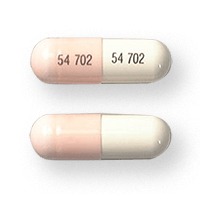
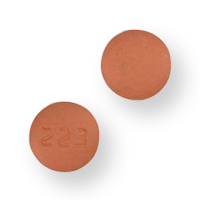
FORM
Tablet Er
STRENGTH
QUANTITY
*Final prices are shown at checkout.
Don't have a prescription?
Do you already have an Rx?
How Medmind Works
Search for your medication
Find your prescription or over-the-counter medication using our comprehensive database.
Compare prices from multiple pharmacies
View prices from various pharmacies in your area to find the best deals.
Get your prescription filled
Choose your preferred pharmacy and get your medication at the best price.
TL;DR — Quick Summary
Key facts from the full medication guide below
Lithium Carbonate Extended-Release Tablets is indicated in the treatment of manic episodes of manic-depressive illness. Maintenance therapy prevents or diminishes the intensity of subsequent episodes in those manic-depressive patients with a history of mania. Typical symptoms of mania include pressure of speech, motor hyperactivity, reduced need for sleep, flight of ideas, grandiosity, elation, poor judgment, aggressiveness and possibly hostility.
The toxic levels for lithium ( 1.5 mEq/L) are close to the therapeutic levels (0.6 to 1.2 mEq/L). It is therefore important that patients and their families be cautioned to watch for early toxic symptoms and to discontinue the drug and inform the physician should they occur. Toxic symptoms are listed in detail under ADVERSE REACTIONS . Treatment: No specific antidote for lithium poisoning is known.
The occurrence and severity of adverse reactions are generally directly related to serum lithium concentrations as well as to individual patient sensitivity to lithium, and generally occur more frequently and with greater severity at higher concentrations. Adverse reactions may be encountered at serum lithium levels below 1.5 mEq/L. Mild to moderate adverse reactions may occur at levels from 1.5 to 2.5 mEq/L, and moderate to severe reactions may be seen at levels of 2.0 mEq/L and above.
Lithium toxicity is closely related to serum lithium levels, and can occur at doses close to therapeutic levels. Facilities for prompt and accurate serum lithium determinations should be available before initiating therapy (see DOSAGE AND ADMINISTRATION).
Caution should be used when lithium and diuretics are used concomitantly because diuretic-induced sodium loss may reduce the renal clearance of lithium and increase serum lithium levels with risk of lithium toxicity. Patients receiving such combined therapy should have serum lithium levels monitored closely and the lithium dosage adjusted if necessary. Lithium levels should be closely monitored when patients initiate or discontinue NSAID use.
Ask MedMind
Questions answered from this medication guide. Sign in to personalize with your meds & labs.
Lithium Carbonate (Lithobid) Prices
Current MedMind pricing — no insurance required