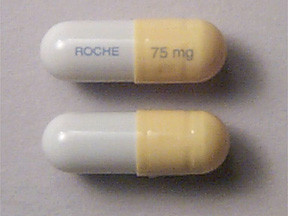
TAMIFLU is an influenza neuraminidase inhibitor (NAI) indicated for: Treatment of acute, uncomplicated influenza A and B in patients 2 weeks of age and older who have been symptomatic for no more than 48 hours. (1.1) Prophylaxis of influenza A and B in patients 1 year and older. (1.2) Limitations of Use: Not a substitute for annual influenza vaccination. (1.3) Consider available information on influenza drug susceptibility patterns and treatment effects when deciding whether to use.
💊How to take it
Treatment of influenza Adults and adolescents (13 years and older): 75 mg twice daily for 5 days (2.2) Pediatric patients 1 to 12 years of age: Based on weight twice daily for 5 days (2.2) Pediatric patients 2 weeks to less than 1 year of age: 3mg/kg twice daily for 5 days (2.2) Renally impaired adult patients (creatinine clearance >30-60 mL/min): Reduce to 30 mg twice daily for 5 days (2.4) Renally impaired adult patients (creatinine clearance >10-30 mL/min): Reduce to 30 mg once daily for 5…
ℹ️Common side effects
The following serious adverse reactions are discussed below and elsewhere in the labeling: Serious skin and hypersensitivity reactions [see Warnings and Precautions (5.1)] Neuropsychiatric events [see Warnings and Precautions (5.2)] Most common adverse reactions (>1% and more common than with placebo): Treatment studies Nausea, vomiting, headache. (6.1) Prophylaxis studies Nausea, vomiting, headache, pain.
⚠️Serious risks
Serious skin/hypersensitivity reactions such as Stevens-Johnson Syndrome, toxic epidermal necrolysis and erythema multiforme: Discontinue TAMIFLU and initiate appropriate treatment if allergic-like reactions occur or are suspected. (5.1) Neuropsychiatric events: Patients with influenza, including those receiving TAMIFLU, particularly pediatric patients, may be at an increased risk of confusion or abnormal behavior early in their illness. Monitor for signs of abnormal behavior.
📋Interactions & cautions
Live attenuated influenza vaccine (LAIV), intranasal: Avoid administration of LAIV within 2 weeks before or 48 hours after TAMIFLU use, unless medically indicated.
📦Storage & missed dose
Prior to dispensing to the patient, constitute TAMIFLU for oral suspension (supplied as powder): a)Tap the closed bottle containing the supplied TAMIFLU white powder several times to loosen the powder. b)Measure 55 mL of water in a graduated cylinder. c)Add the total amount of water for constitution to the bottle. d)Close bottle with child-resistant cap tightly and shake the closed bottle well for 15 seconds. e)Label the bottle with instructions to "Shake Well Before Use".
Questions answered from this medication guide. Sign in to personalize with your meds & labs.
Oseltamivir phosphate (Tamiflu) Prices
Current MedMind pricing — no insurance required
TAMIFLU is indicated for the treatment of acute, uncomplicated illness due to influenza A and B infection in patients 2 weeks of age and older who have been symptomatic for no more than 48 hours.
TAMIFLU is indicated for the prophylaxis of influenza A and B in patients 1 year and older.
TAMIFLU is not a substitute for early influenza vaccination on an annual basis as recommended by the Centers for Disease Control and Prevention Advisory Committee on Immunization Practices. Influenza viruses change over time. Emergence of resistance substitutions could decrease drug effectiveness. Other factors (for example, changes in viral virulence) might also diminish clinical benefit of antiviral drugs. Prescribers should consider available information on influenza drug susceptibility patterns and treatment effects when deciding whether to use TAMIFLU [see Microbiology (12.4)]. TAMIFLU is not recommended for patients with end-stage renal disease not undergoing dialysis [see Dosage and Administration (2.4) and Use in Specific Populations (8.6)].
Treatment of influenza Adults and adolescents (13 years and older): 75 mg twice daily for 5 days (2.2) Pediatric patients 1 to 12 years of age: Based on weight twice daily for 5 days (2.2) Pediatric patients 2 weeks to less than 1 year of age: 3mg/kg twice daily for 5 days (2.2) Renally impaired adult patients (creatinine clearance >30-60 mL/min): Reduce to 30 mg twice daily for 5 days (2.4) Renally impaired adult patients (creatinine clearance >10-30 mL/min): Reduce to 30 mg once daily for 5 days (2.4) ESRD patients on hemodialysis: Reduce to 30 mg immediately and then 30 mg after every hemodialysis cycle. Treatment duration not to exceed 5 days (2.4) ESRD patients on CAPD: Reduce to a single 30 mg dose immediately (2.4) Prophylaxis of influenza Adults and adolescents (13 years and older): 75 mg once daily for at least 10 days (2.3) -Community outbreak: 75 mg once daily for up to 6 weeks (2.3) Pediatric patients 1 to 12 years of age: Based on weight once daily for 10 days (2.3) -Community outbreak: Based on weight once daily for up to 6 weeks (2.3) Renally impaired adult patients (creatinine clearance >30-60 mL/min): Reduce to 30 mg once daily (2.4) Renally impaired adult patients (creatinine clearance >10-30 mL/min): Reduce to 30 mg once every other day (2.4) ESRD patients on hemodialysis: Reduce to 30 mg immediately and then 30 mg after alternate hemodialysis cycles for the recommended duration of prophylaxis (2.4) ESRD patients on CAPD: Reduce to 30 mg immediately and then 30 mg once weekly for the recommended duration of prophylaxis (2.4)
Administer TAMIFLU for the treatment of influenza in patients 2 weeks of age or older [see Dosage and Administration (2.2)] or for prophylaxis of influenza in patients 1 year and older [see Dosage and Administration (2.3)] using: TAMIFLU capsules or TAMIFLU for oral suspension (supplied as a powder). This is the preferred formulation (6 mg per mL) for patients who cannot swallow capsules. Prior to use, the supplied TAMIFLU powder must be constituted with water by the pharmacist to produce the oral suspension [see Dosage and Administration (2.5)]. The capsules and oral suspension may be taken with or without food; however, tolerability may be enhanced if TAMIFLU is taken with food. Adjust the TAMIFLU dosage in patients with moderate or severe renal impairment [see Dosage and Administration (2.4)]. For patients who cannot swallow capsules, TAMIFLU for oral suspension is the preferred formulation. When TAMIFLU for oral suspension is not available from wholesaler or the manufacturer, TAMIFLU capsules may be opened and mixed with sweetened liquids such as regular or sugar-free chocolate syrup, corn syrup, caramel topping, or light brown sugar (dissolved in water). During emergency situations and when neither the oral suspension or the age-appropriate strengths of TAMIFLU capsules to mix with sweetened liquids are available, then a pharmacist may prepare an emergency supply of oral suspension from TAMIFLU 75 mg capsules [see Dosage and Administration (2.6)].
Initiate treatment with TAMIFLU within 48 hours of influenza symptom onset.
Representative sample of labeling (see the HOW SUPPLIED section for complete listing):
Initiate post-exposure prophylaxis with TAMIFLU within 48 hours following close contact with an infected individual. Initiate seasonal prophylaxis with TAMIFLU during a community outbreak.
Table 2 displays the dosage recommendations for the treatment and prophylaxis of influenza in adults with various stages of renal impairment (estimated creatinine clearance of less than or equal to 90 mL per minute). Dosage modifications are recommended in adults with an estimated creatinine clearance less than or equal to 60 mL per minute [see Use in Specific Population (8.6) and Clinical Pharmacology (12.3)]. Table 2 Recommended Dosage Modifications for Treatment and Prophylaxis of Influenza in Adults with Renal Impairment or End Stage Renal Disease (ESRD) on Dialysis Renal Impairment(Creatinine Clearance) Recommended Treatment RegimenCapsules or oral suspension can be used for 30 mg dosing. Recommended Prophylaxis Regimen The recommended duration for post-exposure prophylaxis is at least 10 days and the recommended duration for community outbreak (seasonal/pre-exposure) prophylaxis is up to 6 weeks (or up to 12 weeks in immunocompromised patients). Mild(>60-90 mL/minute) 75 mg twice daily for 5 days 75 mg once daily Moderate(>30-60 mL/minute) 30 mg twice daily for 5 days 30 mg once daily Severe(>10-30 mL/minute) 30 mg once daily for 5 days 30 mg every other day ESRD Patients on Hemodialysis( 10 mL/minute) 30 mg immediately and then 30 mg after every hemodialysis cycle(treatment duration not to exceed 5 days) 30 mg immediately and then 30 mg after alternate hemodialysis cycles ESRD Patients on Continuous Ambulatory Peritoneal DialysisData derived from studies in continuous ambulatory peritoneal dialysis (CAPD) patients. ( 10 mL/minute) A single 30 mg dose administered immediately 30 mg immediately and then 30 mg once weekly ESRD Patients not on Dialysis TAMIFLU is not recommended TAMIFLU is not recommended
Prior to dispensing to the patient, constitute TAMIFLU for oral suspension (supplied as powder): a)Tap the closed bottle containing the supplied TAMIFLU white powder several times to loosen the powder. b)Measure 55 mL of water in a graduated cylinder. c)Add the total amount of water for constitution to the bottle. d)Close bottle with child-resistant cap tightly and shake the closed bottle well for 15 seconds. e)Label the bottle with instructions to "Shake Well Before Use". f)The constituted oral suspension contains 360 mg of oseltamivir base per 60 mL of volume (6 mg per mL) and is white, tutti-frutti flavored). Use the constituted oral suspension within 17 days of preparation when stored under refrigeration, 2 to 8 C (36 to 46 F), or within 10 days if stored at controlled room temperature, 25 C (77 F). Write the expiration date of the constituted oral suspension on the bottle label. g)Ensure patients have an oral dosing dispenser that measures the appropriate volume in milliliters. Counsel patients on how to utilize the oral dosing dispenser and correctly measure the oral suspension as prescribed (see Tables 1 and 2).
The following directions are provided for use only during emergency situations and when FDA-approved, commercially manufactured TAMIFLU for oral suspension is not available from wholesalers or the manufacturer. The following emergency preparation instructions will provide one patient with enough TAMIFLU for a 5-day course of treatment of influenza or a 10-day course of prophylaxis of influenza:
TAMIFLU Capsules: 30-mg (30 mg free base equivalent of the phosphate salt): light yellow, hard gelatin, with "ROCHE" printed in blue ink on the light yellow body and "30 mg" printed in blue ink on the light yellow cap. 45-mg (45 mg free base equivalent of the phosphate salt): grey, hard gelatin, with "ROCHE" printed in blue ink on the grey body and "45 mg" printed in blue ink on the grey cap. 75-mg (75 mg free base equivalent of the phosphate salt): grey/light yellow, hard gelatin, with "ROCHE" is printed in blue ink on the grey body and "75 mg" printed in blue ink on the light yellow cap. TAMIFLU for Oral Suspension: 6 mg per mL (final concentration when constituted) White powder blend for constitution. Capsules: 30 mg, 45 mg, 75 mg (3) For oral suspension: 360 mg oseltamivir base supplied as powder (constituted to a final concentration of 6 mg/mL) (3)
TAMIFLU is contraindicated in patients with known serious hypersensitivity to oseltamivir or any component of the product. Severe allergic reactions have included anaphylaxis and serious skin reactions including toxic epidermal necrolysis, Stevens-Johnson Syndrome, and erythema multiforme [see Warnings and Precautions (5.1)]. Patients with known serious hypersensitivity to oseltamivir or any of the components of TAMIFLU (4)
Serious skin/hypersensitivity reactions such as Stevens-Johnson Syndrome, toxic epidermal necrolysis and erythema multiforme: Discontinue TAMIFLU and initiate appropriate treatment if allergic-like reactions occur or are suspected. (5.1) Neuropsychiatric events: Patients with influenza, including those receiving TAMIFLU, particularly pediatric patients, may be at an increased risk of confusion or abnormal behavior early in their illness. Monitor for signs of abnormal behavior. (5.2)
Cases of anaphylaxis and serious skin reactions including toxic epidermal necrolysis, Stevens-Johnson Syndrome, and erythema multiforme have been reported in postmarketing experience with TAMIFLU. Stop TAMIFLU and institute appropriate treatment if an allergic-like reaction occurs or is suspected. The use of TAMIFLU is contraindicated in patients with known serious hypersensitivity to TAMIFLU [see Contraindications (4) and Adverse Reactions (6.2)].
There have been postmarketing reports of delirium and abnormal behavior leading to injury, and in some cases resulting in fatal outcomes, in patients with influenza who were receiving TAMIFLU [see Adverse Reactions (6.2)]. Because these events were reported voluntarily during clinical practice, estimates of frequency cannot be made but they appear to be uncommon based on TAMIFLU usage data. These events were reported primarily among pediatric patients and often had an abrupt onset and rapid resolution. The contribution of TAMIFLU to these events has not been established. Influenza can be associated with a variety of neurologic and behavioral symptoms that can include events such as hallucinations, delirium, and abnormal behavior, in some cases resulting in fatal outcomes. These events may occur in the setting of encephalitis or encephalopathy but can occur without obvious severe disease. Closely monitor TAMIFLU-treated patients with influenza for signs of abnormal behavior. If neuropsychiatric symptoms occur, evaluate the risks and benefits of continuing TAMIFLU for each patient.
There is no evidence for efficacy of TAMIFLU in any illness caused by pathogens other than influenza viruses. Serious bacterial infections may begin with influenza-like symptoms or may coexist with or occur as complications during the course of influenza. TAMIFLU has not been shown to prevent such complications. Prescribers should be alert to the potential for secondary bacterial infections and treat them as appropriate.
Fructose can be harmful to patients with hereditary fructose intolerance. One dose of 75 mg TAMIFLU for oral suspension delivers 2 grams of sorbitol. This is above the daily maximum limit of sorbitol for patients with hereditary fructose intolerance and may cause dyspepsia and diarrhea.
The following serious adverse reactions are discussed below and elsewhere in the labeling: Serious skin and hypersensitivity reactions [see Warnings and Precautions (5.1)] Neuropsychiatric events [see Warnings and Precautions (5.2)] Most common adverse reactions (>1% and more common than with placebo): Treatment studies Nausea, vomiting, headache. (6.1) Prophylaxis studies Nausea, vomiting, headache, pain. (6.1) To report SUSPECTED ADVERSE REACTIONS, contact Genentech at 1-888-835-2555 or FDA at 1-800-FDA-1088 or www.fda.gov/medwatch
Because clinical trials are conducted under widely varying conditions, adverse reaction rates observed in the clinical trials of a drug cannot be directly compared to rates in the clinical trials of another drug and may not reflect the rates observed in practice.
The following adverse reactions have been identified during post-approval use of TAMIFLU. Because these reactions are reported voluntarily from a population of uncertain size, it is not possible to reliably estimate their frequency or establish a causal relationship to TAMIFLU exposure. General disorders and administration site conditions: Swelling of the face or tongue, allergy, anaphylactic/anaphylactoid reactions, hypothermia Skin and subcutaneous tissue disorders: Rash, dermatitis, urticaria, eczema, toxic epidermal necrolysis, Stevens-Johnson Syndrome, erythema multiforme [see Warnings and Precautions (5.1)] Gastrointestinal Disorders: Gastrointestinal bleeding, hemorrhagic colitis Cardiac Disorders: Arrhythmia Hepatobiliary Disorders: Hepatitis, abnormal liver function tests Nervous System Disorders: Seizure Metabolism and Nutrition Disorders: Aggravation of diabetes Psychiatric Disorders: Abnormal behavior, delirium, including symptoms such as hallucinations, agitation, anxiety, altered level of consciousness, confusion, nightmares, delusions [see Warnings and Precautions (5.2)]
Live attenuated influenza vaccine (LAIV), intranasal: Avoid administration of LAIV within 2 weeks before or 48 hours after TAMIFLU use, unless medically indicated. (7)
No dose adjustments are needed for either oseltamivir or the concomitant drug when coadministering oseltamivir with amoxicillin, acetaminophen, aspirin, cimetidine, antacids (magnesium and aluminum hydroxides and calcium carbonates), rimantadine, amantadine, or warfarin [see Clinical Pharmacology (12.3)].
Patients with renal impairment had higher blood levels of oseltamivir carboxylate compared to patients with normal renal function which may increase the risk of TAMIFLU-associated adverse reactions. Therefore, dosage adjustment is recommended for patients with a serum creatinine clearance between 10 and 60 mL/minute and for patients with end-stage renal disease (ESRD) undergoing routine hemodialysis or continuous peritoneal dialysis treatment [see Dosage and Administration (2.4)]. TAMIFLU is not recommended for patients with ESRD not undergoing dialysis [see Indications and Usage (1.3) and Clinical Pharmacology (12.3)].
No dosage adjustment is required in patients with mild to moderate hepatic impairment. The safety and pharmacokinetics in patients with severe hepatic impairment have not been evaluated [see Clinical Pharmacology (12.3)].
Efficacy of TAMIFLU in the treatment of influenza in patients with chronic cardiac disease and/or respiratory disease was evaluated in one randomized, placebo-controlled clinical trial. Efficacy in this population, as measured by time to alleviation of all symptoms, was not established, but no new safety signals were identified [see Clinical Studies (14.1) ]. No clinical trial data are available regarding treatment of influenza in patients with any medical condition sufficiently severe or unstable to be considered at imminent risk of requiring hospitalization.
Efficacy of TAMIFLU for the treatment or prophylaxis of influenza has not been established in immunocompromised patients [see Clinical Studies (14.2)]. Safety of TAMIFLU has been demonstrated for up to 12 weeks for prophylaxis of influenza in immunocompromised patients [see Adverse Reactions (6.1)].
Reports of overdoses with TAMIFLU have been received from clinical trials and during postmarketing experience. In the majority of cases reporting overdose, no adverse reactions were reported. Adverse reactions reported following overdose were similar in nature to those observed with therapeutic doses of TAMIFLU [see Adverse Reactions (6)].
TAMIFLU (oseltamivir phosphate), an influenza neuraminidase inhibitor (NAI), is available as: Capsules containing 30 mg, 45 mg, or 75 mg of oseltamivir for oral use, in the form of oseltamivir phosphate, and A powder for oral suspension, which when constituted with water as directed contains 6 mg per mL oseltamivir base. In addition to the active ingredient, each capsule contains croscarmellose sodium, povidone K30, pregelatinized starch, sodium stearyl fumarate and talc. The 30 mg capsule shell contains gelatin, red iron oxide, titanium dioxide, and yellow iron oxide. The 45 mg capsule shell contains black iron oxide, gelatin, and titanium dioxide. The 75 mg capsule shell contains black iron oxide, gelatin, red iron oxide, titanium dioxide, and yellow iron oxide. Each capsule is printed with blue ink, which includes FD&C Blue No. 2 as the colorant. In addition to the active ingredient, the powder for oral suspension contains monosodium citrate, saccharin sodium, sodium benzoate, sorbitol, titanium dioxide, tutti-frutti flavoring, and xanthan gum. Oseltamivir phosphate is a white crystalline solid with the chemical name (3R,4R,5S)-4-acetylamino-5-amino-3(1-ethylpropoxy)-1-cyclohexene-1-carboxylic acid, ethyl ester, phosphate (1:1). The chemical formula is C16H28N2O4 (free base). The molecular weight is 312.4 for oseltamivir free base and 410.4 for oseltamivir phosphate salt. The structural formula is as follows:
Oseltamivir is an antiviral drug with activity against influenza virus [see Microbiology (12.4)].
In 2-year carcinogenicity studies in mice and rats given daily oral doses of the prodrug oseltamivir phosphate up to 400 mg/kg and 500 mg/kg, respectively, the prodrug and the active form oseltamivir carboxylate induced no statistically significant increases in tumors over controls. The mean maximum daily exposures to the prodrug in mice and rats were approximately 130- and 320-fold, respectively, greater than those in humans at the recommended clinical dose based on AUC comparisons. The respective safety margins of the exposures to the active oseltamivir carboxylate were 15- and 50-fold. Oseltamivir was found to be non-mutagenic in the Ames test and the human lymphocyte chromosome assay with and without enzymatic activation and negative in the mouse micronucleus test. It was found to be positive in a Syrian Hamster Embryo (SHE) cell transformation test. Oseltamivir carboxylate was non-mutagenic in the Ames test and the L5178Y mouse lymphoma assay with and without enzymatic activation and negative in the SHE cell transformation test. In a fertility and early embryonic development study in rats, doses of oseltamivir at 50, 250, and 1500 mg/kg/day were administered to females for 2 weeks before mating, during mating and until day 6 of pregnancy. Males were dosed for 4 weeks before mating, during mating, and for 2 weeks after mating. There were no effects on fertility, mating performance or early embryonic development at any dose level. The highest dose in this study was approximately 115 times the human systemic exposure (AUC0-24h) of oseltamivir carboxylate that occurs after administration of the maximum recommended human dose.
Storage Store dry powder at 25 C (77 F); excursions permitted to 15 to 30 C (59 to 86 F) [See USP Controlled Room Temperature]. Store constituted oral suspension under refrigeration for up to 17 days at 2 to 8 C (36 to 46 F). Do not freeze. Alternatively, store constituted oral suspension for up to 10 days at 25 C (77 F); excursions permitted to 15 to 30 C (59 to 86 F) [See USP Controlled Room Temperature].
Advise the patient to read the FDA-approved patient labeling (Patient Information and Instructions for Use).
This Patient Information has been approved by the U.S. Food and Drug Administration. Revised 08/2019 PATIENT INFORMATION TAMIFLU (TAM-ih-flew) (oseltamivir phosphate)capsules, for oral use TAMIFLU (TAM-ih-flew) (oseltamivir phosphate)for oral suspension What is TAMIFLU? TAMIFLU is a prescription medicine used to: treat the flu (influenza) in people 2 weeks of age and older who have had flu symptoms for no more than two days. prevent the flu in people who are 1 year of age and older. It is not known if TAMIFLU is: effective in people who start treatment after 2 days of developing flu symptoms. effective for the treatment of the flu in people with long-time (chronic) heart problems or breathing problems. effective for the treatment or prevention of flu in people who have weakened immune systems (immunocompromised) safe and effective for the treatment of the flu in children less than 2 weeks of age. safe and effective in the prevention of the flu in children less than 1 year of age. TAMIFLU does not treat or prevent illness that is caused by infections other than the influenza virus. TAMIFLU does not prevent bacterial infections that may happen with the flu. TAMIFLU is not recommended for people with end-stage renal disease (ESRD) who are not receiving dialysis. TAMIFLU does not take the place of receiving a flu vaccination. Talk to your healthcare provider about when you should receive an annual flu vaccination. Who should not take TAMIFLU? Do not take TAMIFLU if you are allergic to oseltamivir phosphate or any of the ingredients in TAMIFLU. See the end of this leaflet for a complete list of ingredients in TAMIFLU. What should I tell my healthcare provider before taking TAMIFLU? Before you take TAMIFLU, tell your healthcare provider if you: have problems swallowing TAMIFLU capsules have kidney problems have a history of fructose (fruit sugar) intolerance. TAMIFLU contains sorbitol and may cause stomach upset and diarrhea in people who are fructose intolerant. have any other medical conditions are pregnant or plan to become pregnant. Available information indicate that TAMIFLU does not increase the risk of birth defects. are breastfeeding or plan to breastfeed. TAMIFLU can pass into breast milk in small amounts. Tell your healthcare provider about all the medicines you take, including prescription or over-the-counter medicines, vitamins, and herbal supplements. Know the medicines you take. Keep a list of them to show your healthcare provider and pharmacist when you get a new medicine. How should I take TAMIFLU? Take TAMIFLU exactly as your healthcare provider tells you to. Take TAMIFLU with food or without food. There is less chance of stomach upset if you take TAMIFLU with food. If you miss a dose of TAMIFLU, take it as soon as you remember. If it is 2 hours or less before your next dose, do not take the missed dose. Take your next dose of TAMIFLU at your scheduled time. Do not take 2 doses at the same time. If TAMIFLU for oral suspension is not available or you cannot swallow TAMIFLU capsules, your healthcare provider or pharmacist may instruct you to open TAMIFLU capsules and mix the capsules contents with sweetened liquids such as chocolate syrup (regular or sugar-free), corn syrup, caramel topping, or light brown sugar (dissolved in water). If your healthcare provider or pharmacist has instructed you to take TAMIFLU for oral suspension or open your TAMIFLU capsules, read the detailed Instructions for Use at the end of this leaflet. Ask your pharmacist if you have any questions. What are the possible side effects of TAMIFLU? TAMIFLU may cause serious side effects, including: Serious skin and allergic reactions. TAMIFLU can cause serious skin and allergic reactions. Stop taking TAMIFLU and get medical help right away if you get any of the following symptoms: skin rash or hives your skin blisters and peels blisters or sores in your mouth itching swelling of your face, eyes, lips, tongue, or throat trouble breathing chest pain or tightness Change in behavior. People, especially children, who have the flu, can develop nervous system problems and abnormal behavior that can lead to death. During treatment with TAMIFLU, tell your healthcare provider right away if you or your child have confusion, speech problems, shaky movements, seizures, or start hearing voices or seeing things that are not really there (hallucinations). The most common side effects of TAMIFLU when used for treatment of the flu include nausea, vomiting, and headache. The most common side effect of TAMIFLU when used for prevention of the flu include nausea, vomiting, headache, and pain. Tell your healthcare provider if you have any side effect that bothers you or that does not go away. These are not all of the possible side effects of TAMIFLU. Call your doctor for medical advice about side effects. You may report side effects to FDA at 1-800-FDA-1088. How should I store TAMIFLU? Store TAMIFLU capsules at room temperature between 68 F to 77 F (20 C to 25 C). Store TAMIFLU for oral suspension in the refrigerator for up to 17 days between 36 F to 46 F (2 C to 8 C) Do not freeze. Store TAMIFLU for oral suspension for up to 10 days at room temperature between 68 F to 77 F (20 C to 25 C). Safely throw away any unused TAMIFLU that is out of date or no longer needed. Keep TAMIFLU and all medicines out of the reach of children. General information about the safe and effective use of TAMIFLU. Medicines are sometimes prescribed for purposes other than those listed in a Patient Information leaflet. Do not use TAMIFLU for a condition for which it was not prescribed. Do not give TAMIFLU to other people, even if they have the same symptoms you have. It may harm them. If you would like more information, talk with your healthcare provider. You can ask your healthcare provider or pharmacist for information about TAMIFLU that is written for health professionals. For more information, go to www.tamiflu.com. What are the ingredients in TAMIFLU? Active ingredient: oseltamivir phosphate Inactive ingredients: TAMIFLU capsules: croscarmellose sodium, povidone K30, pregelatinized starch, sodium stearyl fumarate, and talc 30mg capsule shell: gelatin, red iron oxide, titanium dioxide, and yellow iron oxide 45mg capsules shell: black iron oxide, gelatin, and titanium dioxide 75mg capsules shell: black iron oxide, gelatin, red iron oxide, titanium dioxide, and yellow iron oxide TAMIFLU for oral suspension: monosodium citrate, saccharin sodium, sodium benzoate, sorbitol, titanium dioxide, tutti-frutti flavoring, and xanthan gum. Distributed by: Genentech, Inc., A Member of the Roche Group, 1 DNA Way, South San Francisco, CA 94080-4990Licensor: Gilead Sciences, Inc., Foster City, California, 94404 2019 Genentech, Inc. All rights reserved
This Instructions for Use has been approved by the U.S. Food and Drug Administration. Revised 06/2016 INSTRUCTIONS FOR USE TAMIFLU (TAM-ih-flew) (oseltamivir phosphate)capsules, for oral use TAMIFLU (TAM-ih-flew) (oseltamivir phosphate)for oral suspension How do I give a dose of TAMIFLU for oral suspension? Step 1. Shake the TAMIFLU for oral suspension bottle well before each use. Step 2. Open the bottle by pushing downward on the child resistant bottle cap and twisting it in the direction of the arrow. Step 3. Measure the oral suspension with an appropriate oral dosing dispenser to be sure you get the correct dose.Contact your pharmacist if you do not have an appropriate oral dosing dispenser. Step 4. Give the full contents of oral dosing dispenser directly into the mouth. Step 5. Close the bottle with the child-resistant bottle cap after each use. Step 6. Rinse oral dosing dispenser under running tap water and allow to air dry after each use. How do I mix the contents of TAMIFLU capsules with sweetened liquids, if directed by my healthcare provider or pharmacist? You will need: the prescribed dose of TAMIFLU capsules a small bowl sweetened liquid, such as chocolate syrup (regular or sugar-free), corn syrup, caramel topping, or light brown sugar (dissolved in water) Step 1. Open the contents of the prescribed dose of TAMIFLU capsules into a small bowl. Step 2. Add a small amount of the sweetened liquid to the capsule contents. Step 3. Stir the mixture and give the entire dose of TAMIFLU.
NDC 0004-0802-85 Tamiflu (oseltamivir phosphate) Capsules 30 mg Each capsule contains oseltamivir phosphate equivalent to 30 mgoseltamivir (free base). Rx only 10 Capsules Genentech 10175386
NDC 0004-0801-85 Tamiflu (oseltamivir phosphate) Capsules 45 mg Each capsule contains oseltamivir phosphate equivalent to 45 mgoseltamivir (free base). Rx only 10 Capsules Genentech 10175387
NDC 0004-0800-85 Tamiflu (oseltamivir phosphate) Capsules 75 mg Each capsule contains oseltamivir phosphate equivalent to 75 mgoseltamivir (free base). Rx only 10 Capsules Genentech 11026905
NDC 0004-0822-05 Tamiflu (oseltamivir phosphate)for Oral Suspension 6 mg/mL Each mL contains 6 mgoseltamivir base afterconstitution. 60 mL (usable volumeafter constitution) Rx only Genentech 10240835