SpecGx LLC
Oxycodone hydrochloride and acetaminophen
GenericID: 00406052262
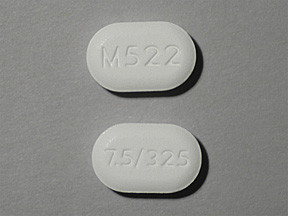
FORM
Tablet
STRENGTH
QUANTITY
*Final prices are shown at checkout.
Don't have a prescription?
Do you already have an Rx?
How Medmind Works
Search for your medication
Find your prescription or over-the-counter medication using our comprehensive database.
Compare prices from multiple pharmacies
View prices from various pharmacies in your area to find the best deals.
Get your prescription filled
Choose your preferred pharmacy and get your medication at the best price.
TL;DR — Quick Summary
Key facts from the full medication guide below
Oxycodone and acetaminophen tablets are indicated for the management of pain severe enough to require an opioid analgesic and for which alternative treatments are inadequate.
Following an acute overdosage, toxicity may result from the oxycodone or the acetaminophen. Clinical Presentation Acute overdosage with oxycodone can be manifested by respiratory depression, somnolence progressing to stupor or coma, skeletal muscle flaccidity, cold and clammy skin, constricted pupils, and, in some cases, pulmonary edema, bradycardia, hypotension, hypoglycemia, partial or complete airway obstruction, atypical snoring, and death.
The following adverse reactions have been identified during post approval use of oxycodone and acetaminophen tablets. Because these reactions are reported voluntarily from a population of uncertain size, it is not always possible to reliably estimate their frequency or establish a causal relationship to drug exposure.
WARNING: SERIOUS AND LIFE-THREATENING RISKS FROM USE OF OXYCODONE AND ACETAMINOPHEN TABLETS Addiction, Abuse, and Misuse Because the use of oxycodone and acetaminophen tablets exposes patients and other users to the risks of opioid addiction, abuse, and misuse, which can lead to overdose and death, assess each patient s risk prior to prescribing and reassess all patients regularly for the development of these behaviors and conditions (see WARNINGS).
Inhibitors of CYP3A4 and CYP2D6 The concomitant use of oxycodone and acetaminophen tablets and CYP3A4 inhibitors, such as macrolide antibiotics (e.g., erythromycin), azole-antifungal agents (e.g., ketoconazole), and protease inhibitors (e.g., ritonavir), can increase the plasma concentration of oxycodone, resulting in increased or prolonged opioid effects.
Ask MedMind
Questions answered from this medication guide. Sign in to personalize with your meds & labs.
Oxycodone hydrochloride and acetaminophen (Oxycodone and acetaminophen) Prices
Current MedMind pricing — no insurance required