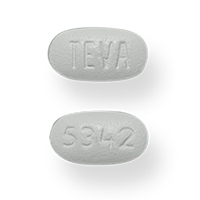
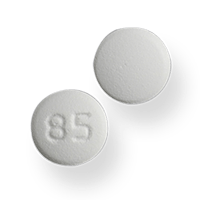
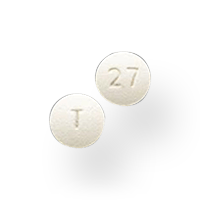
Sildenafil tablets are indicated for the treatment of erectile dysfunction. Sildenafil citrate is a phosphodiesterase-5 (PDE5) inhibitor indicated for the treatment of erectile dysfunction (ED).
💊How to take it
For most patients, the recommended dose is 50 mg taken, as needed, approximately 1 hour before sexual activity.
ℹ️Common side effects
The following are discussed in more detail in other sections of the labeling: Cardiovascular [ see Warnings and Precautions (5.1) ] Prolonged Erection and Priapism [ see Warnings and Precautions (5.2) ] Effects on the Eye [ see Warnings and Precautions (5.3) ] Hearing Loss [ see Warnings and Precautions (5.4) ] Hypotension when Co-administered with Alpha-blockers or Anti-hypertensives [ see Warnings and Precautions (5.5) ] Adverse Reactions with the Concomitant Use of Ritonavir [ see Warnings…
⚠️Serious risks
Patients should not use sildenafil citrate if sexual activity is inadvisable due to cardiovascular status ( 5.1) Patients should seek emergency treatment if an erection lasts >4 hours. Use sildenafil citrate with caution in patients predisposed to priapism ( 5.2) Patients should stop sildenafil tablets and seek medical care if a sudden loss of vision occurs in one or both eyes, which could be a sign of non arteritic anterior ischemic optic neuropathy (NAION).
📋Interactions & cautions
Sildenafil citrate can potentiate the hypotensive effects of nitrates, alpha blockers, and anti-hypertensives ( 4.1, 5.5, 7.1, 7.2, 7.3, 12.2) With concomitant use of alpha blockers, initiate sildenafil citrate at 25 mg dose ( 2.3) CYP3A4 inhibitors (e.g., ritonavir, ketoconazole, itraconazole, erythromycin): Increase Sildenafil citrate exposure ( 2.4, 7.4, 12.3) Ritonavir: Do not exceed a maximum single dose of 25 mg in a 48 hour period ( 2.4, 5.6) Erythromycin or strong CYP3A4 inhibitors…
Questions answered from this medication guide. Sign in to personalize with your meds & labs.
Sildenafil (Viagra) Prices
Current MedMind pricing — no insurance required
Sildenafil tablets are indicated for the treatment of erectile dysfunction. Sildenafil citrate is a phosphodiesterase-5 (PDE5) inhibitor indicated for the treatment of erectile dysfunction (ED).
For most patients, the recommended dose is 50 mg taken, as needed, approximately 1 hour before sexual activity. However, Sildenafil tablets may be taken anywhere from 30 minutes to 4 hours before sexual activity ( 2.1) Based on effectiveness and toleration, may increase to a maximum of 100 mg or decrease to 25 mg ( 2.1) Maximum recommended dosing frequency is once per day ( 2.1)
There was no impairment of fertility in rats given sildenafil up to 60 mg/kg/day for 36 days to females and 102 days to males, a dose producing an AUC value of more than 25 times the human male AUC.
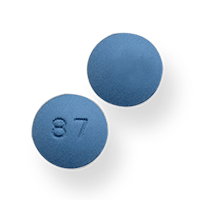
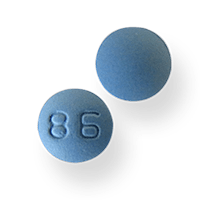
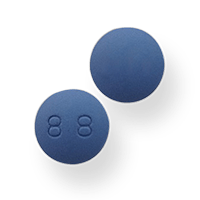
Sildenafil tablets USP are supplied as blue, round, biconvex, film-coated tablets containing sildenafil citrate equivalent to 25 mg, 50 mg or 100 mg of sildenafil. Tablets are debossed with 86, 87 and 88 respectively for 25 mg, 50 mg and 100 mg strength on one side and plain on other side. Tablets: 25 mg, 50 mg and 100 mg ( 3)
Administration of sildenafil tablets to patients using nitric oxide donors, such as organic nitrates or organic nitrites in any form. Sildenafil citrate was shown to potentiate the hypotensive effect of nitrates ( 4.1, 7.1, 12.2) Known hypersensitivity to sildenafil or any component of tablet ( 4.2) Administration with guanylate cyclase (GC) stimulators, such as riociguat ( 4.3)
Patients should not use sildenafil citrate if sexual activity is inadvisable due to cardiovascular status ( 5.1) Patients should seek emergency treatment if an erection lasts >4 hours. Use sildenafil citrate with caution in patients predisposed to priapism ( 5.2) Patients should stop sildenafil tablets and seek medical care if a sudden loss of vision occurs in one or both eyes, which could be a sign of non arteritic anterior ischemic optic neuropathy (NAION). Sildenafil tablets should be used with caution, and only when the anticipated benefits outweigh the risks, in patients with a history of NAION. Patients with a crowded optic disc may also be at an increased risk of NAION. ( 5.3) Patients should stop sildenafil tablets and seek prompt medical attention in the event of sudden decrease or loss of hearing ( 5.4) Caution is advised when Sildenafil citrate is co-administered with alpha- blockers or anti-hypertensives. Concomitant use may lead to hypotension ( 5.5) Decreased blood pressure, syncope, and prolonged erection may occur at higher sildenafil exposures. In patients taking strong CYP inhibitors, such as ritonavir, sildenafil exposure is increased. Decrease in Sildenafil citrate dosage is recommended ( 2.4, 5.6)
The following are discussed in more detail in other sections of the labeling: Cardiovascular [ see Warnings and Precautions (5.1) ] Prolonged Erection and Priapism [ see Warnings and Precautions (5.2) ] Effects on the Eye [ see Warnings and Precautions (5.3) ] Hearing Loss [ see Warnings and Precautions (5.4) ] Hypotension when Co-administered with Alpha-blockers or Anti-hypertensives [ see Warnings and Precautions (5.5) ] Adverse Reactions with the Concomitant Use of Ritonavir [ see Warnings and Precautions (5.6) ] Combination with other PDE5 Inhibitors or Other Erectile Dysfunction Therapies [ see Warnings and Precautions (5.7) ] Effects on Bleeding [ see Warnings and Precautions (5.8) ] Counseling Patients About Sexually Transmitted Diseases [ see Warnings and Precautions (5.9) ] The most common adverse reactions reported in clinical trials ( 2%) are headache, flushing, dyspepsia, abnormal vision, nasal congestion, back pain, myalgia, nausea, dizziness, and rash. Most common adverse reactions ( 2%) include headache, flushing, dyspepsia, abnormal vision, nasal congestion, back pain, myalgia, nausea, dizziness and rash ( 6.1). To report SUSPECTED ADVERSE REACTIONS, contact Torrent Pharma Inc. at 1-800-912-9561 or FDA at 1-800-FDA-1088 or www.fda.gov/medwatch.
Sildenafil citrate can potentiate the hypotensive effects of nitrates, alpha blockers, and anti-hypertensives ( 4.1, 5.5, 7.1, 7.2, 7.3, 12.2) With concomitant use of alpha blockers, initiate sildenafil citrate at 25 mg dose ( 2.3) CYP3A4 inhibitors (e.g., ritonavir, ketoconazole, itraconazole, erythromycin): Increase Sildenafil citrate exposure ( 2.4, 7.4, 12.3) Ritonavir: Do not exceed a maximum single dose of 25 mg in a 48 hour period ( 2.4, 5.6) Erythromycin or strong CYP3A4 inhibitors (e.g., ketoconazole, itraconazole, saquinavir): Consider a starting dose of 25 mg ( 2.4, 7.4)
Geriatric use: Consider a starting dose of 25 mg ( 2.5, 8.5) Severe renal impairment: Consider a starting dose of 25 mg ( 2.5, 8.6) Hepatic impairment: Consider a starting dose of 25 mg ( 2.5, 8.7)
In studies with healthy volunteers of single doses up to 800 mg, adverse reactions were similar to those seen at lower doses but incidence rates and severities were increased. In cases of overdose, standard supportive measures should be adopted as required. Renal dialysis is not expected to accelerate clearance as sildenafil is highly bound to plasma proteins and it is not eliminated in the urine.
Sildenafil tablets USP, an oral therapy for erectile dysfunction, is the citrate salt of sildenafil, a selective inhibitor of cyclic guanosine monophosphate (cGMP)-specific phosphodiesterase type 5 (PDE5). Sildenafil citrate, USP is designated chemically as 1-[[3-(6,7-dihydro-1-methyl-7-oxo-3-propyl-1 H-pyrazolo [4,3- d] pyrimidin-5-yl)-4- ethoxyphenyl] sulfonyl]-4-methylpiperazine citrate and has the following structural formula: Sildenafil citrate, USP is a white to off-white crystalline powder with a solubility of 3.5 mg/mL in water and a molecular weight of 666.7. Sildenafil Citrate USP is formulated as blue, round, biconvex, film-coated tablets containing sildenafil citrate equivalent to 25 mg, 50 mg or 100 mg of sildenafil for oral administration. In addition to the active ingredient, sildenafil citrate, each tablet contains the following inactive ingredients: croscarmellose sodium, dibasic calcium phosphate anhydrous, hypromellose, lake of indigo carmine, microcrystalline cellulose, sodium stearyl fumarate, titanium dioxide and triacetin.
In clinical studies, sildenafil citrate was assessed for its effect on the ability of men with erectile dysfunction (ED) to engage in sexual activity and in many cases specifically on the ability to achieve and maintain an erection sufficient for satisfactory sexual activity. Sildenafil citrate was evaluated primarily at doses of 25 mg, 50 mg and 100 mg in 21 randomized, double-blind, placebo-controlled trials of up to 6 months in duration, using a variety of study designs (fixed dose, titration, parallel, crossover). Sildenafil citrate was administered to more than 3,000 patients aged 19 to 87 years, with ED of various etiologies (organic, psychogenic, mixed) with a mean duration of 5 years. Sildenafil citrate demonstrated statistically significant improvement compared to placebo in all 21 studies. The studies that established benefit demonstrated improvements in success rates for sexual intercourse compared with placebo. Efficacy Endpoints in Controlled Clinical Studies The effectiveness of sildenafil citrate was evaluated in most studies using several assessment instruments. The primary measure in the principal studies was a sexual function questionnaire (the International Index of Erectile Function - IIEF) administered during a 4-week treatment-free run-in period, at baseline, at follow-up visits, and at the end of double-blind, placebo-controlled, at-home treatment. Two of the questions from the IIEF served as primary study endpoints; categorical responses were elicited to questions about (1) the ability to achieve erections sufficient for sexual intercourse and (2) the maintenance of erections after penetration. The patient addressed both questions at the final visit for the last 4 weeks of the study. The possible categorical responses to these questions were (0) no attempted intercourse, (1) never or almost never, (2) a few times, (3) sometimes, (4) most times, and (5) almost always or always. Also collected as part of the IIEF was information about other aspects of sexual function, including information on erectile function, orgasm, desire, satisfaction with intercourse, and overall sexual satisfaction. Sexual function data were also recorded by patients in a daily diary. In addition, patients were asked a global efficacy question and an optional partner questionnaire was administered. Efficacy Results from Controlled Clinical Studies The effect on one of the major end points, maintenance of erections after penetration, is shown in Figure 6, for the pooled results of 5 fixed-dose, dose-response studies of greater than one month duration, showing response according to baseline function. Results with all doses have been pooled, but scores showed greater improvement at the 50 and 100 mg doses than at 25 mg. The pattern of responses was similar for the other principal question, the ability to achieve an erection sufficient for intercourse. The titration studies, in which most patients received 100 mg, showed similar results. Figure 6 shows that regardless of the baseline levels of function, subsequent function in patients treated with sildenafil citrate was better than that seen in patients treated with placebo. At the same time, on-treatment function was better in treated patients who were less impaired at baseline. Effect of Sildenafil citrate on Maintenance of Erection by Baseline Score Effect of Placebo on Maintenance of Erection by Baseline Score Figure 6. Effect of Sildenafil Citrate and Placebo on Maintenance of Erection by Baseline Score. The frequency of patients reporting improvement of erections in response to a global question in four of the randomized, double-blind, parallel, placebo-controlled fixed dose studies (1,797 patients) of 12 to 24 weeks duration is shown in Figure 7. These patients had erectile dysfunction at baseline that was characterized by median categorical scores of 2 (a few times) on principal IIEF questions. Erectile dysfunction was attributed to organic (58%; generally not characterized, but including diabetes and excluding spinal cord injury), psychogenic (17%), or mixed (24%) etiologies. Sixty-three percent, 74%, and 82% of the patients on 25 mg, 50 mg and 100 mg of sildenafil citrate, respectively, reported an improvement in their erections, compared to 24% on placebo. In the titration studies (n=644) (with most patients eventually receiving 100 mg), results were similar. Overall treatment p<0.0001 Figure 7. Percentage of Patients Reporting an Improvement in Erections The patients in studies had varying degrees of ED. One-third to one-half of the subjects in these studies reported successful intercourse at least once during a 4-week, treatment-free run-in period. In many of the studies, of both fixed dose and titration designs, daily diaries were kept by patients. In these studies, involving about 1,600 patients, analyses of patient diaries showed no effect of sildenafil citrate on rates of attempted intercourse (about 2 per week), but there was clear treatment-related improvement in sexual function: per patient weekly success rates averaged 1.3 on 50 to 100 mg of sildenafil citrate vs 0.4 on placebo; similarly, group mean success rates (total successes divided by total attempts) were about 66% on sildenafil citrate vs about 20% on placebo. During 3 to 6 months of double-blind treatment or longer-term (1 year), open-label studies, few patients withdrew from active treatment for any reason, including lack of effectiveness. At the end of the long-term study, 88% of patients reported that sildenafil citrate improved their erections. Men with untreated ED had relatively low baseline scores for all aspects of sexual function measured (again using a 5-point scale) in the IIEF. Sildenafil citrate improved these aspects of sexual function: frequency, firmness and maintenance of erections; frequency of orgasm; frequency and level of desire; frequency, satisfaction and enjoyment of intercourse; and overall relationship satisfaction. One randomized, double-blind, flexible-dose, placebo-controlled study included only patients with erectile dysfunction attributed to complications of diabetes mellitus (n=268). As in the other titration studies, patients were started on 50 mg and allowed to adjust the dose up to 100 mg or down to 25 mg of sildenafil citrate; all patients, however, were receiving 50 mg or 100 mg at the end of the study. There were highly statistically significant improvements on the two principal IIEF questions (frequency of successful penetration during sexual activity and maintenance of erections after penetration) on sildenafil citrate compared to placebo. On a global improvement question, 57% of sildenafil citrate patients reported improved erections versus 10% on placebo. Diary data indicated that on sildenafil citrate, 48% of intercourse attempts were successful versus 12% on placebo. One randomized, double-blind, placebo-controlled, crossover, flexible-dose (up to 100 mg) study of patients with erectile dysfunction resulting from spinal cord injury (n=178) was conducted. The changes from baseline in scoring on the two end point questions (frequency of successful penetration during sexual activity and maintenance of erections after penetration) were highly statistically significantly in favor of sildenafil citrate. On a global improvement question, 83% of patients reported improved erections on sildenafil citrate versus 12% on placebo. Diary data indicated that on sildenafil citrate, 59% of attempts at sexual intercourse were successful compared to 13% on placebo. Across all trials, sildenafil citrate improved the erections of 43% of radical prostatectomy patients compared to 15% on placebo. Subgroup analyses of responses to a global improvement question in patients with psychogenic etiology in two fixed-dose studies (total n=179) and two titration studies (total n=149) showed 84% of sildenafil citrate patients reported improvement in erections compared with 26% of placebo. The changes from baseline in scoring on the two end point questions (frequency of successful penetration during sexual activity and maintenance of erections after penetration) were highly statistically significantly in favor of sildenafil citrate. Diary data in two of the studies (n=178) showed rates of successful intercourse per attempt of 70% for sildenafil citrate and 29% for placebo. Efficacy Results in Subpopulations in Controlled Clinical Studies A review of population subgroups demonstrated efficacy regardless of baseline severity, etiology, race and age. Sildenafil citrate was effective in a broad range of ED patients, including those with a history of coronary artery disease, hypertension, other cardiac disease, peripheral vascular disease, diabetes mellitus, depression, coronary artery bypass graft (CABG), radical prostatectomy, transurethral resection of the prostate (TURP) and spinal cord injury, and in patients taking antidepressants/antipsychotics and anti-hypertensives/diuretics.
Sildenafil 25 mg tablets USP are blue, round biconvex, film coated tablets, debossed with 86 on one side and plain on other side. Bottles of 30 with child-resistant closure NDC 13668-186-30 Bottles of 100 NDC 13668-186-01 Bottles of 500 NDC 13668-186-05 Bottles of 1000 NDC 13668-186-10 Bottles of 4000 NDC 13668-186-40 Sildenafil 50 mg tablets USP are blue, round biconvex, film coated tablets, debossed with '87'on one side and plain on other side. Bottles of 30 with child-resistant closure NDC 13668-187-30 Bottles of 100 NDC 13668-187-01 Bottles of 500 NDC 13668-187-05 Bottles of 1000 NDC 13668-187-10 Bottles of 1800 NDC 13668-187-18 Sildenafil 100 mg tablets USP are blue, round biconvex, film coated tablets debossed with '88' on one side and plain on other side. Bottles of 30 with child-resistant closure NDC 13668-188-30 Bottles of 100 NDC 13668-188-01 Bottles of 500 NDC 13668-188-05 Bottles of 1000 NDC 13668-188-10 Recommended Storage: Store at 20 C to 25 C (68 F to 77 F); excursions permitted between 15 C and 30 C (59 F and 86 F) [see USP Controlled Room Temperature].
Advise the patient to read the FDA-approved patient labeling (Patient Information). Nitrates Physicians should discuss with patients the contraindication of sildenafil citrate with regular and/or intermittent use of nitric oxide donors, such as organic nitrates or organic nitrites in any form [ see Contraindications (4.1) ]. Guanylate Cyclase (GC) Stimulators Physicians should discuss with patients the contraindication of sildenafil citrate with use of guanylate cyclase stimulators such as riociguat [ see Contraindications (4.3) ]. Concomitant Use with Drugs Which Lower Blood Pressure Physicians should advise patients of the potential for sildenafil citrate to augment the blood pressure lowering effect of alpha-blockers and anti-hypertensive medications. Concomitant administration of sildenafil citrate and an alpha-blocker may lead to symptomatic hypotension in some patients. Therefore, when sildenafil citrate is co-administered with alpha-blockers, patients should be stable on alpha-blocker therapy prior to initiating sildenafil citrate treatment and sildenafil citrate should be initiated at the lowest dose [ see Warnings and Precautions (5.5) ]. Cardiovascular Considerations Physicians should discuss with patients the potential cardiac risk of sexual activity in patients with preexisting cardiovascular risk factors. Patients who experience symptoms (e.g., angina pectoris, dizziness, nausea) upon initiation of sexual activity should be advised to refrain from further activity and should discuss the episode with their physician [ see Warnings and Precautions (5.1) ]. Sudden Loss of Vision Physicians should advise patients to stop use of all PDE5 inhibitors, including sildenafil citrate, and seek medical attention in the event of a sudden loss of vision in one or both eyes. Such an event may be a sign of non-arteritic anterior ischemic optic neuropathy (NAION), a cause of decreased vision including possible permanent loss of vision, that has been reported rarely post-marketing in temporal association with the use of all PDE5 inhibitors. Physicians should discuss with patients the increased risk of NAION in individuals who have already experienced NAION in one eye. Physicians should also discuss with patients the increased risk of NAION among the general population in patients with a crowded optic disc, although evidence is insufficient to support screening of prospective users of PDE5 inhibitor, including sildenafil citrate, for this uncommon condition [ see Warnings and Precautions (5.3) and Adverse Reactions (6.2) ]. Sudden Hearing Loss Physicians should advise patients to stop taking PDE5 inhibitors, including sildenafil citrate, and seek prompt medical attention in the event of sudden decrease or loss of hearing. These events, which may be accompanied by tinnitus and dizziness, have been reported in temporal association to the intake of PDE5 inhibitors, including sildenafil citrate. It is not possible to determine whether these events are related directly to the use of PDE5 inhibitors or to other factors [ see Warnings and Precautions (5.4) and Adverse Reactions (6.2) ]. Priapism Physicians should warn patients that prolonged erections greater than 4 hours and priapism (painful erections greater than 6 hours in duration) have been reported infrequently since market approval of sildenafil citrate. In the event of an erection that persists longer than 4 hours, the patient should seek immediate medical assistance. If priapism is not treated immediately, penile tissue damage and permanent loss of potency may result [ see Warnings and Precautions (5.2) ]. Avoid Use with other PDE5 Inhibitors Physicians should inform patients not to take sildenafil tablets, 25 mg, 50 mg and 100 mg with other PDE5 inhibitors including sildenafil tablets, 20 mg or other pulmonary arterial hypertension (PAH) treatments containing sildenafil. Sildenafil is also marketed as sildenafil tablets, 20 mg for the treatment of PAH. The safety and efficacy of sildenafil tablets, 25 mg, 50 mg and 100 mg with other PDE5 inhibitors, including sildenafil tablets, 20 mg, have not been studied [ see Warnings and Precautions (5.7) ]. Sexually Transmitted Disease The use of sildenafil citrate offers no protection against sexually transmitted diseases. Counseling of patients about the protective measures necessary to guard against sexually transmitted diseases, including the Human Immunodeficiency Virus (HIV), may be considered [ see Warnings and Precautions (5.9) ]. Dispense with Patient Information available at: https://torrentpharma.com/pi/usa/products/ Manufactured by: Torrent Pharmaceuticals LTD., India. Manufactured for: Torrent Pharma INC., Basking Ridge, NJ 07920. 8098159 Revised: December 2024
Dispense with Patient Information available at: https://torrentpharma.com/pi/usa/products/ Sildenafil (sil DEN a fil) Citrate Tablets USP What is the most important information I should know about sildenafil tablets? Sildenafil tablets can cause your blood pressure to drop suddenly to an unsafe level if it is taken with certain other medicines. Do not take sildenafil tablets if you take any other medicines called nitrates. Nitrates are used to treat chest pain (angina). A sudden drop in blood pressure can cause you to feel dizzy, faint, or have a heart attack or stroke. Do not take sildenafil tablets if you take medicines called guanylate cyclase stimulators which include: Riociguat (Adempas ) a medicine that treats pulmonary arterial hypertension and chronic-thromboembolic pulmonary hypertension. Tell all your healthcare providers that you take Sildenafil tablets. If you need emergency medical care for a heart problem, it will be important for your healthcare provider to know when you last took Sildenafil tablets. Stop sexual activity and get medical help right away if you get symptoms such as chest pain, dizziness, or nausea during sex. Sexual activity can put an extra strain on your heart, especially if your heart is already weak from a heart attack or heart disease. Ask your doctor if your heart is healthy enough to handle the extra strain of having sex. Sildenafil tablets does not protect you or your partner from getting sexually transmitted diseases, including HIV - the virus that causes AIDS. What are sildenafil tablets? Sildenafil tablets is a prescription medicine used to treat erectile dysfunction (ED). You will not get an erection just by taking this medicine. Sildenafil tablets helps a man with erectile dysfunction get and keep an erection only when he is sexually excited (stimulated). Sildenafil tablets is not for use in women or children. It is not known if Sildenafil tablets is safe and effective in women or children under 18 years of age. Who should not take sildenafil tablet? Do not take sildenafil tablets if you: take medicines called nitrates (such as nitroglycerin) use street drugs called poppers such as amyl nitrate or amyl nitrite, and butyl nitrate take any medicines called guanylate cyclase stimulators such as riociguat (Adempas) are allergic to sildenafil, as contained in Sildenafil tablets, 25 mg, 50 mg and 100 mg and Sildenafil tablets, 20 mg or any of the ingredients in Sildenafil tablets. See the end of this leaflet for a complete list of ingredients in Sildenafil tablets. What should I tell my healthcare provider before taking sildenafil tablets? Before you take Sildenafil tablets, tell your healthcare provider if you: have or have had heart problems such as a heart attack, irregular heartbeat, angina, chest pain, narrowing of the aortic valve or heart failure have had heart surgery within the last 6 months have pulmonary hypertension have had a stroke have low blood pressure, or high blood pressure that is not controlled have a deformed penis shape have had an erection that lasted for more than 4 hours have problems with your blood cells such as sickle cell anemia, multiple myeloma, or leukemia have retinitis pigmentosa, a rare genetic (runs in families) eye disease have ever had severe vision loss, including an eye problem called non-arteritic anterior ischemic optic neuropathy (NAION) have bleeding problems have or have had stomach ulcers have liver problems have kidney problems or are having kidney dialysis have any other medical conditions Tell your healthcare provider about all the medicines you take*, including prescription and over-the-counter medicines, vitamins, and herbal supplements. Sildenafil tablets may affect the way other medicines work, and other medicines may affect the way Sildenafil tablets works causing side effects. Especially tell your healthcare provider if you take any of the following: medicines called nitrates (see What is the most important information I should know about Sildenafil tablets? ) medicines called guanylate cyclase stimulators, such as riociguat (Adempas) medicines called alpha blockers such as Hytrin (terazosin HCl), Flomax (tamsulosin HCl), Cardura (doxazosin mesylate), Minipress (prazosin HCl), Uroxatral (alfuzosin HCl), Jalyn (dutasteride and tamsulosin HCl), or Rapaflo (silodosin). Alpha-blockers are sometimes prescribed for prostate problems or high blood pressure. In some patients, the use of sildenafil tablets with alpha-blockers can lead to a drop in blood pressure or to fainting. medicines called HIV protease inhibitors, such as ritonavir (Norvir), indinavir sulfate (Crixivan), saquinavir (Fortovase or Invirase) or atazanavir sulfate (Reyataz) some types of oral antifungal medicines, such as ketoconazole (Nizoral), and itraconazole (Sporanox) some types of antibiotics, such as clarithromycin (Biaxin), telithromycin (Ketek), or erythromycin other medicines that treat high blood pressure other medicines or treatments for ED Sildenafil tablets, 25 mg, 50 mg and 100 mg contains sildenafil, which is the same medicine found in another drug called Sildenafil tablets, 20 mg. Sildenafil tablets, 20 mg is used to treat a rare disease called pulmonary arterial hypertension (PAH). Sildenafil tablets, 25 mg, 50 mg and 100 mg should not be used with Sildenafil tablets, 20 mg or with other PAH treatments containing sildenafil or any other PDE5 inhibitors (such as Adcirca [tadalafil]). Ask your healthcare provider or pharmacist for a list of these medicines, if you are not sure. Know the medicines you take. Keep a list of them to show to your healthcare provider and pharmacist when you get a new medicine. How should I take sildenafil tablets? Take sildenafil tablets exactly as your healthcare provider tells you to take it. Your healthcare provider will tell you how much sildenafil tablets to take and when to take it. Your healthcare provider may change your dose if needed. Take sildenafil tablets about 1 hour before sexual activity. You may take sildenafil tablets between 30 minutes to 4 hours before sexual activity if needed. Sildenafil tablets can be taken with or without food. If you take sildenafil tablets after a high fat meal (such as a cheeseburger and french fries), sildenafil tablets may take a little longer to start working Do not take sildenafil tablets more than 1 time a day. If you accidentally take too much sildenafil tablets, call your doctor or go to the nearest hospital emergency room right away. What are the possible side effects of sildenafil tablets? Sildenafil tablets can cause serious side effects. Rarely reported side effects include: an erection that will not go away (priapism). If you have an erection that lasts more than 4 hours, get medical help right away. If it is not treated right away, priapism can permanently damage your penis. sudden vision loss in one or both eyes. Sudden vision loss in one or both eyes can be a sign of a serious eye problem called non-arteritic anterior ischemic optic neuropathy (NAION). It is uncertain whether PDE5 inhibitors directly cause the vision loss. Stop taking sildenafil tablets and call your healthcare provider right away if you have sudden vision loss in one or both eyes. sudden hearing decrease or hearing loss. Some people may also have ringing in their ears (tinnitus) or dizziness. If you have these symptoms, stop taking sildenafil tablets and contact a doctor right away. The most common side effects of sildenafil tablets are: headache flushing upset stomach abnormal vision, such as changes in color vision (such as having a blue color tinge) and blurred vision stuffy or runny nose back pain muscle pain nausea dizziness rash In addition, heart attack, stroke, irregular heartbeats and death have happened rarely in men taking sildenafil tablets. Most, but not all, of these men had heart problems before taking sildenafil tablets. It is not known if sildenafil tablets caused these problems. Tell your healthcare provider if you have any side effect that bothers you or does not go away. These are not all the possible side effects of sildenafil tablets. For more information, ask your healthcare provider or pharmacist. Call your doctor for medical advice about side effects. You may report side effects to FDA at 1-800-FDA-1088. How should I store sildenafil tablets? Sildenafil Tablets comes in child-resistant package. Store sildenafil tablets at 20 C to 25 C (68 F to 77 F); excursions permitted between 15 C and 30 C (59 F and 86 F) [see USP Controlled Room Temperature]. Keep sildenafil tablets and all medicines out of the reach of children. General information about the safe and effective use of sildenafil tablets Medicines are sometimes prescribed for purposes other than those listed in a Patient Information leaflet. Do not use sildenafil tablets for a condition for which it was not prescribed. Do not give sildenafil tablets to other people, even if they have the same symptoms that you have. It may harm them. This Patient Information leaflet summarizes the most important information about sildenafil tablets. If you would like more information, talk with your healthcare provider. You can ask your healthcare provider or pharmacist for information about sildenafil tablets that is written for health professionals. For more information, Call 1-800-912-9561. What are the ingredients in sildenafil tablets? Active ingredients: sildenafil citrate, USP Inactive ingredients: croscarmellose sodium, dibasic calcium phosphate anhydrous, hypromellose, lake of indigo carmine, microcrystalline cellulose, sodium stearyl fumarate, titanium dioxide and triacetin. This product s label may have been updated. For current full prescribing information, please visit www.torrentpharma.com Trademarks are the property of their respective owners. This Patient Information has been approved by the U.S. Food and Drug Administration Manufactured by: Torrent Pharmaceuticals LTD., India. Manufactured for: Torrent Pharma INC., Basking Ridge, NJ 07920. 8098160 Revised: December 2024