XELJANZ/XELJANZ XR/XELJANZ Oral Solution is a Janus kinase (JAK) inhibitor indicated for: Rheumatoid Arthritis: XELJANZ/XELJANZ XR is indicated for the treatment of adult patients with moderately to severely active rheumatoid arthritis who have had an inadequate response or intolerance to one or more TNF blockers. o Limitations of Use: Use of XELJANZ/XELJANZ XR in combination with biologic DMARDs or potent immunosuppressants such as azathioprine and cyclosporine is not recommended.
💊How to take it
Administration Instructions XELJANZ XR (tofacitinib extended-release tablets) is not interchangeable or substitutable with XELJANZ Oral Solution. (2.1) Changes between XELJANZ and XELJANZ XR should be made by the healthcare provider. (2.1) Do not initiate XELJANZ/XELJANZ XR/XELJANZ Oral Solution if absolute lymphocyte count <500 cells/mm3, an absolute neutrophil count (ANC) <1000 cells/mm3 or hemoglobin <9 g/dL.
ℹ️Common side effects
WARNING: SERIOUS INFECTIONS, MORTALITY, MALIGNANCY, MAJOR ADVERSE CARDIOVASCULAR EVENTS (MACE), and THROMBOSIS See full prescribing information for complete boxed warning. Increased risk of serious bacterial, fungal, viral, and opportunistic infections leading to hospitalization or death, including tuberculosis (TB). Interrupt treatment with XELJANZ/XELJANZ XR/XELJANZ Oral Solution if serious infection occurs until the infection is controlled.
⚠️Serious risks
WARNING: SERIOUS INFECTIONS, MORTALITY, MALIGNANCY, MAJOR ADVERSE CARDIOVASCULAR EVENTS (MACE), and THROMBOSIS See full prescribing information for complete boxed warning. Increased risk of serious bacterial, fungal, viral, and opportunistic infections leading to hospitalization or death, including tuberculosis (TB). Interrupt treatment with XELJANZ/XELJANZ XR/XELJANZ Oral Solution if serious infection occurs until the infection is controlled.
📋Interactions & cautions
Table 6 includes drugs with clinically important drug interactions when administered concomitantly with XELJANZ/XELJANZ XR/XELJANZ Oral Solution and instructions for preventing or managing them.
📦Storage & missed dose
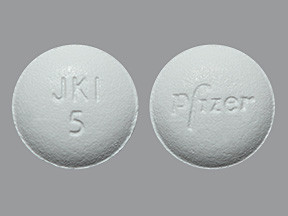
How supplied information for XELJANZ/XELJANZ XR is shown in Table 22. Table 22: How Supplied Information for XELJANZ/XELJANZ XR Bottle Size (number of tablets) NDC Number XELJANZ 5 mg tofacitinib tablets White, round, immediate-release film-coated tablets, debossed with "Pfizer" on one side, and "JKI 5" on the other side 60 NDC 0069-1001-01 XELJANZ 10 mg tofacitinib tablets Blue, round, immediate-release film-coated tablets, debossed with "Pfizer" on one side, and "JKI 10" on the other side 60…
Questions answered from this medication guide. Sign in to personalize with your meds & labs.
Tofacitinib (Xeljanz) Prices
Current MedMind pricing — no insurance required
This product's label may have been updated. For current full prescribing information, please visit www.pfizer.com. For medical information about XELJANZ/XELJANZ XR/XELJANZ Oral Solution, please visit www.pfizermedinfo.com or call 1-800-438-1985. LAB-0445-26.0
XELJANZ/XELJANZ XR/XELJANZ Oral Solution is a Janus kinase (JAK) inhibitor indicated for: Rheumatoid Arthritis: XELJANZ/XELJANZ XR is indicated for the treatment of adult patients with moderately to severely active rheumatoid arthritis who have had an inadequate response or intolerance to one or more TNF blockers. o Limitations of Use: Use of XELJANZ/XELJANZ XR in combination with biologic DMARDs or potent immunosuppressants such as azathioprine and cyclosporine is not recommended. (1.1) Psoriatic Arthritis: XELJANZ/XELJANZ XR is indicated for the treatment of adult patients with active psoriatic arthritis who have had an inadequate response or intolerance to one or more TNF blockers. o Limitations of Use: Use of XELJANZ/XELJANZ XR in combination with biologic DMARDs or potent immunosuppressants such as azathioprine and cyclosporine is not recommended. (1.2) Ankylosing Spondylitis: XELJANZ/XELJANZ XR is indicated for the treatment of adult patients with active ankylosing spondylitis who have had an inadequate response or intolerance to one or more TNF blockers. o Limitations of Use: Use of XELJANZ/XELJANZ XR in combination with biologic DMARDs or potent immunosuppressants such as azathioprine and cyclosporine is not recommended. (1.3) Ulcerative Colitis: XELJANZ/XELJANZ XR is indicated for the treatment of adult patients with moderately to severely active ulcerative colitis (UC), who have had an inadequate response or intolerance to one or more TNF blockers. o Limitations of Use: Use of XELJANZ/XELJANZ XR in combination with biological therapies for UC or with potent immunosuppressants such as azathioprine and cyclosporine is not recommended. (1.4) Polyarticular Course Juvenile Idiopathic Arthritis: XELJANZ/XELJANZ Oral Solution is indicated for the treatment of active polyarticular course juvenile idiopathic arthritis (pcJIA) in patients 2 years of age and older who have had an inadequate response or intolerance to one or more TNF blockers. o Limitations of Use: Use of XELJANZ/XELJANZ Oral Solution in combination with biologic DMARDs or potent immunosuppressants such as azathioprine and cyclosporine is not recommended. (1.5)
XELJANZ/XELJANZ XR is indicated for the treatment of adult patients with moderately to severely active rheumatoid arthritis (RA) who have had an inadequate response or intolerance to one or more TNF blockers. Limitations of Use: Use of XELJANZ/XELJANZ XR in combination with biologic disease-modifying antirheumatic drugs (DMARDs) or with potent immunosuppressants such as azathioprine and cyclosporine is not recommended.
XELJANZ/XELJANZ XR is indicated for the treatment of adult patients with active psoriatic arthritis (PsA) who have had an inadequate response or intolerance to one or more TNF blockers. Limitations of Use: Use of XELJANZ/XELJANZ XR in combination with biologic DMARDs or with potent immunosuppressants such as azathioprine and cyclosporine is not recommended.
XELJANZ/XELJANZ XR is indicated for the treatment of adult patients with active ankylosing spondylitis (AS) who have had an inadequate response or intolerance to one or more TNF blockers. Limitations of Use: Use of XELJANZ/XELJANZ XR in combination with biologic DMARDs or potent immunosuppressants such as azathioprine and cyclosporine is not recommended.
XELJANZ/XELJANZ XR is indicated for the treatment of adult patients with moderately to severely active ulcerative colitis (UC), who have an inadequate response or intolerance to one or more TNF blockers. Limitations of Use: Use of XELJANZ/XELJANZ XR in combination with biological therapies for UC or with potent immunosuppressants such as azathioprine and cyclosporine is not recommended.
XELJANZ/XELJANZ Oral Solution is indicated for the treatment of active polyarticular course juvenile idiopathic arthritis (pcJIA) in patients 2 years of age and older who have had an inadequate response or intolerance to one or more TNF blockers. Limitations of Use: Use of XELJANZ/XELJANZ Oral Solution in combination with biologic DMARDs or with potent immunosuppressants such as azathioprine and cyclosporine is not recommended.
Administration Instructions XELJANZ XR (tofacitinib extended-release tablets) is not interchangeable or substitutable with XELJANZ Oral Solution. (2.1) Changes between XELJANZ and XELJANZ XR should be made by the healthcare provider. (2.1) Do not initiate XELJANZ/XELJANZ XR/XELJANZ Oral Solution if absolute lymphocyte count <500 cells/mm3, an absolute neutrophil count (ANC) <1000 cells/mm3 or hemoglobin <9 g/dL. (2.1) Recommended Dosage Rheumatoid Arthritis XELJANZ 5 mg twice daily or XELJANZ XR 11 mg once daily. (2.2) Recommended dosage in patients with moderate and severe renal impairment or moderate hepatic impairment is XELJANZ 5 mg once daily. (2, 8.7, 8.8) Psoriatic Arthritis (in combination with nonbiologic DMARDs) XELJANZ 5 mg twice daily or XELJANZ XR 11 mg once daily. (2.2) Recommended dosage in patients with moderate and severe renal impairment or moderate hepatic impairment is XELJANZ 5 mg once daily. (2, 8.7, 8.8) Ankylosing Spondylitis XELJANZ 5 mg twice daily or XELJANZ XR 11 mg once daily. (2.2) Recommended dosage in patients with moderate and severe renal impairment or moderate hepatic impairment is XELJANZ 5 mg once daily. (2, 8.7, 8.8) Ulcerative Colitis Induction: XELJANZ 10 mg twice daily or XELJANZ XR 22 mg once daily for 8 weeks; evaluate patients and transition to maintenance therapy depending on therapeutic response. If needed, continue XELJANZ 10 mg twice daily or XELJANZ XR 22 mg once daily for a maximum of 16 weeks. Discontinue XELJANZ 10 mg twice daily or XELJANZ XR 22 mg once daily after 16 weeks if adequate therapeutic response is not achieved. (2.3) Maintenance: XELJANZ 5 mg twice daily or XELJANZ XR 11 mg once daily. For patients with loss of response during maintenance treatment, XELJANZ 10 mg twice daily or XELJANZ XR 22 mg once daily may be considered and limited to the shortest duration, with careful consideration of the benefits and risks for the individual patient. Use the lowest effective dose needed to maintain response. (2.3) Dosage adjustment is needed in patients with moderate and severe renal impairment or moderate hepatic impairment: see full prescribing information. (2.3) Polyarticular Course Juvenile Idiopathic Arthritis XELJANZ/XELJANZ Oral Solution 5 mg twice daily or weight-based equivalent twice daily. (2.4) Dosage adjustment is needed in patients with moderate and severe renal impairment or moderate hepatic impairment: see full prescribing information. (2.4) Dosage Adjustment See the full prescribing information for dosage adjustments by indication for patients receiving CYP2C19 and/or CYP3A4 inhibitors; in patients with moderate or severe renal impairment or moderate hepatic impairment; and patients with lymphopenia, neutropenia, or anemia. (2.2, 2.3, 2.4, 8.7, 8.8) Use of XELJANZ/XELJANZ XR/XELJANZ Oral Solution in patients with severe hepatic impairment is not recommended in any patient population. (2.2, 2.3, 2.4, 8.8)
XELJANZ XR (tofacitinib extended-release tablets) is not interchangeable or substitutable with XELJANZ Oral Solution. Changes between XELJANZ and XELJANZ XR should be made by the healthcare provider [see Dosage and Administration (2.2)]. Do not initiate XELJANZ/XELJANZ XR/XELJANZ Oral Solution in patients with an absolute lymphocyte count less than 500 cells/mm3, an absolute neutrophil count (ANC) less than 1000 cells/mm3 or who have hemoglobin levels less than 9 g/dL. Dose interruption is recommended for management of lymphopenia, neutropenia, and anemia [see Warnings and Precautions (5.8), Adverse Reactions (6.1)]. Interrupt use of XELJANZ/XELJANZ XR/XELJANZ Oral Solution if a patient develops a serious infection until the infection is controlled [see Warnings and Precautions (5.1)]. Take XELJANZ/XELJANZ XR/XELJANZ Oral Solution with or without food [see Clinical Pharmacology (12.3)]. Swallow XELJANZ XR tablets whole and intact. Do not crush, split, or chew.
Table 1 displays the recommended adult daily dosage of XELJANZ and XELJANZ XR and dosage adjustments for patients receiving CYP2C19 and/or CYP3A4 inhibitors, in patients with moderate or severe renal impairment (including but not limited to those with severe insufficiency who are undergoing hemodialysis) or moderate hepatic impairment, with lymphopenia, neutropenia, or anemia. Table 1: Recommended Dosage of XELJANZ and XELJANZ XR in Patients with Rheumatoid Arthritis, Psoriatic ArthritisXELJANZ/XELJANZ XR is used in combination with nonbiologic disease-modifying antirheumatic drugs (DMARDs) in psoriatic arthritis. The efficacy of XELJANZ/XELJANZ XR as a monotherapy has not been studied in psoriatic arthritis., and Ankylosing Spondylitis XELJANZ tablet XELJANZ XR extended-release tablet Adult patients 5 mg twice daily 11 mg once daily Patients receiving: Strong CYP3A4 inhibitors (e.g., ketoconazole), or a moderate CYP3A4 inhibitor(s) with a strong CYP2C19 inhibitor(s) (e.g., fluconazole) [see Drug Interactions (7)] 5 mg once daily Reduce to XELJANZ 5 mg once daily Patients with: moderate or severe renal impairment [see Use in Specific Populations (8.7)] moderate hepatic impairment [see Use in Specific Populations (8.8)] Use of XELJANZ/XELJANZ XR in patients with severe hepatic impairment is not recommended. 5 mg once daily Reduce to XELJANZ 5 mg once daily For patients undergoing hemodialysis, dose should be administered after the dialysis session on dialysis days. If a dose was taken before the dialysis procedure, supplemental doses are not recommended in patients after dialysis. Patients with lymphocyte count less than 500 cells/mm3, confirmed by repeat testing Discontinue dosing. Patients with ANC 500 to 1000 cells/mm3 Interrupt dosing.When ANC is greater than 1000, resume 5 mg twice daily. Interrupt dosing.When ANC is greater than 1000, resume 11 mg once daily. Patients with ANC less than 500 cells/mm3 Discontinue dosing. Patients with hemoglobin less than 8 g/dL or a decrease of more than 2 g/dL Interrupt dosing until hemoglobin values have normalized.
Table 2 displays the recommended adult daily dosage of XELJANZ/XELJANZ XR and dosage adjustments for patients receiving CYP2C19 and/or CYP3A4 inhibitors, with moderate or severe renal impairment (including but not limited to those with severe insufficiency who are undergoing hemodialysis) or moderate hepatic impairment, with lymphopenia, neutropenia or anemia. Table 2: Recommended Dosage of XELJANZ/XELJANZ XR in Patients with UC XELJANZ tablet XELJANZ XR extended-release tablet Adult patients Induction: 10 mg twice daily for at least 8 weeks [see Clinical Studies (14.4)]; evaluate patients and transition to maintenance therapy depending on therapeutic response. If needed continue 10 mg twice daily for a maximum of 16 weeks. Discontinue 10 mg twice daily after 16 weeks if adequate therapeutic response is not achieved. Maintenance: 5 mg twice daily. For patients with loss of response during maintenance treatment, a dosage of 10 mg twice daily may be considered and limited to the shortest duration, with careful consideration of the benefits and risks for the individual patient. Use the lowest effective dose needed to maintain response. Induction: 22 mg once daily for at least 8 weeks; evaluate patients and transition to maintenance therapy depending on therapeutic response. If needed continue 22 mg once daily for a maximum of 16 weeks. Discontinue 22 mg once daily after 16 weeks if adequate therapeutic response is not achieved. Maintenance: 11 mg once daily. For patients with loss of response during maintenance treatment, a dosage of 22 mg once daily may be considered and limited to the shortest duration, with careful consideration of the benefits and risks for the individual patient. Use the lowest effective dose needed to maintain response. Patients receiving: Strong CYP3A4 inhibitors (e.g., ketoconazole), or a moderate CYP3A4 inhibitor(s) with a strong CYP2C19 inhibitor(s) (e.g., fluconazole) [see Drug Interactions (7)] If taking 10 mg twice daily, reduce to 5 mg twice daily. If taking 5 mg twice daily, reduce to 5 mg once daily. If taking 22 mg once daily, reduce to 11 mg once daily. If taking 11 mg once daily, reduce to XELJANZ 5 mg once daily Patients with: moderate or severe renal impairment [see Use in Specific Populations (8.7)] moderate hepatic impairment [see Use in Specific Populations (8.8)] Use of XELJANZ/XELJANZ XR in patients with severe hepatic impairment is not recommended. If taking 10 mg twice daily, reduce to 5 mg twice daily. If taking 5 mg twice daily, reduce to 5 mg once daily. If taking 22 mg once daily, reduce to 11 mg once daily. If taking 11 mg once daily, reduce to XELJANZ 5 mg once daily. For patients undergoing hemodialysis, dose should be administered after the dialysis session on dialysis days. If a dose was taken before the dialysis procedure, supplemental doses are not recommended in patients after dialysis. Patients with lymphocyte count less than 500 cells/mm3, confirmed by repeat testing Discontinue dosing. Patients with ANC 500 to 1000 cells/mm3 If taking 10 mg twice daily, reduce to 5 mg twice daily. When ANC is greater than 1000, increase to 10 mg twice daily based on clinical response. If taking 5 mg twice daily, interrupt dosing. When ANC is greater than 1000, resume 5 mg twice daily. If taking 22 mg once daily, reduce to 11 mg once daily. When ANC is greater than 1000, increase to 22 mg once daily based on clinical response. If taking 11 mg once daily, interrupt dosing. When ANC is greater than 1000, resume 11 mg once daily. Patients with ANC less than 500 cells/mm3 Discontinue dosing. Patients with hemoglobin less than 8 g/dL or a decrease of more than 2 g/dL Interrupt dosing until hemoglobin values have normalized.
Table 3 displays the recommended body weight-based dosages for XELJANZ tablets/XELJANZ Oral Solution and dosage adjustments for patients receiving CYP2C19 and/or CYP3A4 inhibitors [see Drug Interactions (7)], in patients with moderate or severe renal impairment, including but not limited to those undergoing hemodialysis [see Use in Specific Populations (8.7)], with moderate hepatic impairment [see Use in Specific Populations (8.8)], with lymphopenia, neutropenia, or anemia. Table 3: Recommended Dosage of XELJANZ/XELJANZ Oral Solution in Patients with pcJIA XELJANZ tablets/XELJANZ Oral Solution pcJIA patients 10 kg body weight <20 kg:3.2 mg (3.2 mL oral solution) twice daily 20 kg body weight <40 kg:4 mg (4 mL oral solution) twice daily Body weight 40 kg:5 mg (one 5 mg tablet or 5 mL oral solutionPatients treated with 5 mL XELJANZ Oral Solution may be switched to a XELJANZ 5 mg tablet.) twice daily Patients receiving: strong CYP3A4 inhibitors (e.g., ketoconazole), or a moderate CYP3A4 inhibitor(s) with a strong CYP2C19 inhibitor(s) (e.g., fluconazole) [see Drug Interactions (7)] If taking 3.2 mg twice daily, reduce to 3.2 mg once daily. If taking 4 mg twice daily, reduce to 4 mg once daily. If taking 5 mg twice daily, reduce to 5 mg once daily. Patients with: moderate or severe renal impairment [see Use in Specific Populations (8.7)] moderate hepatic impairment [see Use in Specific Populations (8.8)] XELJANZ/XELJANZ Oral Solution is not recommended for patients with severe hepatic impairment. If taking 3.2 mg twice daily, reduce to 3.2 mg once daily. If taking 4 mg twice daily, reduce to 4 mg once daily. If taking 5 mg twice daily, reduce to 5 mg once daily. For patients undergoing hemodialysis, dose should be administered after the dialysis session on dialysis days. If a dose was taken before the dialysis procedure, supplemental doses are not recommended in patients after dialysis. Patients with lymphocyte count less than 500 cells/mm3, confirmed by repeat testing Discontinue dosing. Patients with ANC 500 to 1000 cells/mm3 Interrupt dosing until ANC is greater than 1000 cells/mm3. Patients with ANC less than 500 cells/mm3 Discontinue dosing. Patients with hemoglobin less than 8 g/dL or a decrease of more than 2 g/dL Interrupt dosing until hemoglobin values have normalized. Administer XELJANZ Oral Solution using the included press-in bottle adapter and oral dosing syringe [see Instructions for Use].
Serious Infections: Avoid use of XELJANZ/XELJANZ XR/XELJANZ Oral Solution during an active serious infection, including localized infections. (5.1) Gastrointestinal Perforations: Use with caution in patients that may be at increased risk. (5.6) Laboratory Monitoring: Recommended due to potential changes in lymphocytes, neutrophils, hemoglobin, liver enzymes and lipids. (5.8) Immunizations: Live vaccines: Avoid use with XELJANZ/XELJANZ XR/XELJANZ Oral Solution. (5.9)
Serious and sometimes fatal infections due to bacterial, mycobacterial, invasive fungal, viral, or other opportunistic pathogens have been reported in patients receiving XELJANZ. The most common serious infections reported with XELJANZ included pneumonia, cellulitis, herpes zoster, urinary tract infection, diverticulitis, and appendicitis. Among opportunistic infections, tuberculosis and other mycobacterial infections, cryptococcosis, histoplasmosis, esophageal candidiasis, pneumocystosis, multidermatomal herpes zoster, cytomegalovirus infections, BK virus infection, and listeriosis were reported with XELJANZ. Some patients have presented with disseminated rather than localized disease, and were often taking concomitant immunomodulating agents such as methotrexate or corticosteroids. In the UC population, XELJANZ treatment with 10 mg twice daily was associated with greater risk of serious infections compared to 5 mg twice daily. Additionally, opportunistic herpes zoster infections (including meningoencephalitis, ophthalmologic, and disseminated cutaneous) were seen in patients who were treated with XELJANZ 10 mg twice daily. Other serious infections that were not reported in clinical studies may also occur (e.g., coccidioidomycosis). Avoid use of XELJANZ/XELJANZ XR/XELJANZ Oral Solution in patients with an active, serious infection, including localized infections. The risks and benefits of treatment should be considered prior to initiating XELJANZ/XELJANZ XR/XELJANZ Oral Solution in patients: with chronic or recurrent infection who have been exposed to tuberculosis with a history of a serious or an opportunistic infection who have resided or traveled in areas of endemic tuberculosis or endemic mycoses; or with underlying conditions that may predispose them to infection. Patients should be closely monitored for the development of signs and symptoms of infection during and after treatment with XELJANZ/XELJANZ XR/XELJANZ Oral Solution. XELJANZ/XELJANZ XR/XELJANZ Oral Solution should be interrupted if a patient develops a serious infection, an opportunistic infection, or sepsis. A patient who develops a new infection during treatment with XELJANZ/XELJANZ XR/XELJANZ Oral Solution should undergo prompt and complete diagnostic testing appropriate for an immunocompromised patient; appropriate antimicrobial therapy should be initiated, and the patient should be closely monitored. Caution is also recommended in patients with a history of chronic lung disease, or in those who develop interstitial lung disease, as they may be more prone to infections. Risk of infection may be higher with increasing degrees of lymphopenia and consideration should be given to lymphocyte counts when assessing individual patient risk of infection. Discontinuation and monitoring criteria for lymphopenia are recommended [see Dosage and Administration (2.2, 2.3, 2.4)].
Rheumatoid arthritis patients 50 years of age and older with at least one cardiovascular risk factor treated with XELJANZ 5 mg twice a day or XELJANZ 10 mg twice a day had a higher observed rate of all-cause mortality, including sudden cardiovascular death, compared to those treated with TNF blockers in a large, randomized, postmarketing safety study (RA Safety Study 1). The incidence rate of all-cause mortality per 100 patient-years was 0.88 for XELJANZ 5 mg twice a day, 1.23 for XELJANZ 10 mg twice a day, and 0.69 for TNF blockers [see Clinical Studies (14.6)]. Consider the benefits and risks for the individual patient prior to initiating or continuing therapy with XELJANZ/XELJANZ XR/XELJANZ Oral Solution. A XELJANZ/XELJANZ Oral Solution 10 mg twice daily (or a XELJANZ XR 22 mg once daily) dosage is not recommended for the treatment of RA, PsA, or AS [see Dosage and Administration (2.2)]. For the treatment of UC, use XELJANZ/XELJANZ XR at the lowest effective dose and for the shortest duration needed to achieve/maintain therapeutic response [see Dosage and Administration (2.3)].
Malignancies, including lymphomas and solid cancers, were observed in clinical studies of XELJANZ [see Adverse Reactions (6.1)]. In RA Safety Study 1, a higher rate of malignancies (excluding non-melanoma skin cancer (NMSC)) was observed in patients treated with XELJANZ 5 mg twice a day or XELJANZ 10 mg twice a day as compared with TNF blockers. The incidence rate of malignancies (excluding NMSC) per 100 patient-years was 1.13 for XELJANZ 5 mg twice a day, 1.13 for XELJANZ 10 mg twice a day, and 0.77 for TNF blockers. Patients who are current or past smokers are at additional increased risk [see Clinical Studies (14.6)]. Lymphomas and lung cancers, which are a subset of all malignancies in RA Safety Study 1, were observed at a higher rate in patients treated with XELJANZ 5 mg twice a day and XELJANZ 10 mg twice a day compared to those treated with TNF blockers. The incidence rate of lymphomas per 100 patient-years was 0.07 for XELJANZ 5 mg twice a day, 0.11 for XELJANZ 10 mg twice a day, and 0.02 for TNF blockers. The incidence rate of lung cancers per 100 patient-years among current and past smokers was 0.48 for XELJANZ 5 mg twice a day, 0.59 for XELJANZ 10 mg twice a day, and 0.27 for TNF blockers [see Clinical Studies (14.6)]. Consider the benefits and risks for the individual patient prior to initiating or continuing therapy with XELJANZ/XELJANZ XR/XELJANZ Oral Solution, particularly in patients with a known malignancy (other than a successfully treated NMSC), patients who develop a malignancy while on treatment, and patients who are current or past smokers. A XELJANZ/XELJANZ Oral Solution 10 mg twice daily (or a XELJANZ XR 22 mg once daily) dosage is not recommended for the treatment of RA or PsA [see Dosage and Administration (2.2)]. In Phase 2B, controlled dose-ranging trials in de-novo renal transplant patients, all of whom received induction therapy with basiliximab, high-dose corticosteroids, and mycophenolic acid products, Epstein Barr Virus-associated post-transplant lymphoproliferative disorder was observed in 5 out of 218 patients treated with XELJANZ (2.3%) compared to 0 out of 111 patients treated with cyclosporine. Other malignancies were observed in clinical studies and the postmarketing setting, including, but not limited to, lung cancer, breast cancer, melanoma, prostate cancer, and pancreatic cancer.
In RA Safety Study 1, RA patients who were 50 years of age and older with at least one cardiovascular risk factor treated with XELJANZ 5 mg twice daily or XELJANZ 10 mg twice daily had a higher rate of major adverse cardiovascular events (MACE) defined as cardiovascular death, non-fatal myocardial infarction (MI), and non-fatal stroke, compared to those treated with TNF blockers. The incidence rate of MACE per 100 patient-years was 0.91 for XELJANZ 5 mg twice a day, 1.11 for XELJANZ 10 mg twice a day, and 0.79 for TNF blockers. The incidence rate of fatal or non-fatal myocardial infarction per 100 patient-years was 0.36 for XELJANZ 5 mg twice a day, 0.39 for XELJANZ 10 mg twice a day, and 0.20 for TNF blockers [see Clinical Studies (14.6)]. Patients who are current or past smokers are at additional increased risk. Consider the benefits and risks for the individual patient prior to initiating or continuing therapy with XELJANZ/XELJANZ XR/XELJANZ Oral Solution, particularly in patients who are current or past smokers and patients with other cardiovascular risk factors. Patients should be informed about the symptoms of serious cardiovascular events and the steps to take if they occur. Discontinue XELJANZ/XELJANZ XR/XELJANZ Oral Solution in patients that have experienced a myocardial infarction or stroke. A XELJANZ/XELJANZ Oral Solution 10 mg twice daily (or a XELJANZ XR 22 mg once daily) dosage is not recommended for the treatment of RA or PsA [see Dosage and Administration (2.2)].
Thrombosis, including pulmonary embolism (PE), deep venous thrombosis (DVT), and arterial thrombosis, have occurred in patients treated with XELJANZ and other Janus kinase (JAK) inhibitors used to treat inflammatory conditions. Many of these events were serious and some resulted in death [see Warnings and Precautions (5.2)]. Patients with rheumatoid arthritis 50 years of age and older with at least one cardiovascular risk factor treated with XELJANZ at both 5 mg or 10 mg twice daily compared to TNF blockers in RA Safety Study 1 had an observed increase in incidence of these events. The incidence rate of DVT per 100 patient-years was 0.22 for XELJANZ 5 mg twice a day, 0.28 for XELJANZ 10 mg twice a day, and 0.16 for TNF blockers. The incidence rate of PE per 100 patient-years was 0.18 for XELJANZ 5 mg twice a day, 0.49 for XELJANZ 10 mg twice a day, and 0.05 for TNF blockers [see Clinical Studies (14.6)]. A XELJANZ/XELJANZ Oral Solution 10 mg twice daily (or a XELJANZ XR 22 mg once daily) dosage is not recommended for the treatment of RA, PsA, or AS [see Dosage and Administration (2.2)]. In a long-term extension study in patients with UC, five cases of pulmonary embolism were reported in patients taking XELJANZ 10 mg twice daily, including one death in a patient with advanced cancer. Promptly evaluate patients with symptoms of thrombosis and discontinue XELJANZ/XELJANZ XR/XELJANZ Oral Solution in patients with symptoms of thrombosis. Avoid XELJANZ/XELJANZ XR/XELJANZ Oral Solution in patients that may be at increased risk of thrombosis. For the treatment of UC, use XELJANZ/XELJANZ XR at the lowest effective dose and for the shortest duration needed to achieve/maintain therapeutic response [see Dosage and Administration (2.3)].
Events of gastrointestinal perforation have been reported in clinical studies with XELJANZ, although the role of JAK inhibition in these events is not known. In these studies, many patients with rheumatoid arthritis were receiving background therapy with Nonsteroidal Anti-Inflammatory Drugs (NSAIDs). There was no discernable difference in frequency of gastrointestinal perforation between the placebo and the XELJANZ arms in clinical trials of patients with UC, and many of them were receiving background corticosteroids. XELJANZ/XELJANZ XR/XELJANZ Oral Solution should be used with caution in patients who may be at increased risk for gastrointestinal perforation (e.g., patients with a history of diverticulitis or taking NSAIDs). Patients presenting with new onset abdominal symptoms should be evaluated promptly for early identification of gastrointestinal perforation [see Adverse Reactions (6.1)].
Reactions such as angioedema and urticaria that may reflect drug hypersensitivity have been observed in patients receiving XELJANZ/XELJANZ XR. Some events were serious. If a serious hypersensitivity reaction occurs, promptly discontinue tofacitinib while evaluating the potential cause or causes of the reaction [see Adverse Reactions (6.2)].
Avoid use of live vaccines concurrently with XELJANZ/XELJANZ XR/XELJANZ Oral Solution. The interval between live vaccinations and initiation of tofacitinib therapy should be in accordance with current vaccination guidelines regarding immunosuppressive agents. A patient experienced dissemination of the vaccine strain of varicella zoster virus, 16 days after vaccination with live attenuated (Zostavax) virus vaccine and 2 days after treatment start with tofacitinib 5 mg twice daily. The patient was varicella virus na ve, as evidenced by no previous history of varicella infection and no anti-varicella antibodies at baseline. Tofacitinib was discontinued and the patient recovered after treatment with standard doses of antiviral medication. Update immunizations in agreement with current immunization guidelines prior to initiating XELJANZ/XELJANZ XR/XELJANZ Oral Solution therapy.
As with any other non-deformable material, caution should be used when administering XELJANZ XR to patients with pre-existing severe gastrointestinal narrowing (pathologic or iatrogenic). There have been rare reports of obstructive symptoms in patients with known strictures in association with the ingestion of other drugs utilizing a non-deformable extended-release formulation.
The following clinically significant adverse reactions are described elsewhere in the labeling: Serious Infections [see Warnings and Precautions (5.1)] Mortality [see Warnings and Precautions (5.2)] Malignancy and Lymphoproliferative Disorders [see Warnings and Precautions (5.3)] Major Adverse Cardiovascular Events [see Warnings and Precautions (5.4)] Thrombosis [see Warnings and Precautions (5.5)] Gastrointestinal Perforations [see Warnings and Precautions (5.6)] Hypersensitivity [see Warnings and Precautions (5.7)] Laboratory Abnormalities [see Warnings and Precautions (5.8)] Most common adverse reactions are: Rheumatoid Arthritis, Psoriatic Arthritis, and Ankylosing Spondylitis: Reported during the first 3 months in rheumatoid arthritis placebo-controlled clinical trials and occurring in 2% of patients treated with XELJANZ monotherapy or in combination with DMARDs: upper respiratory tract infection, nasopharyngitis, diarrhea, and headache. (6.1) Ulcerative Colitis: Reported in 5% of patients treated with either 5 mg or 10 mg twice daily of XELJANZ and 1% greater than reported in patients receiving placebo in either the induction or maintenance clinical trials: nasopharyngitis, elevated cholesterol levels, headache, upper respiratory tract infection, increased blood creatine phosphokinase, rash, diarrhea, and herpes zoster. (6.1) Polyarticular Course Juvenile Idiopathic Arthritis: Consistent with common adverse reactions reported in adult rheumatoid arthritis patients. (6.1) To report SUSPECTED ADVERSE REACTIONS, contact Pfizer, Inc. at 1-800-438-1985 or FDA at 1-800-FDA-1088 or www.fda.gov/medwatch.
Because clinical studies are conducted under widely varying conditions, adverse reaction rates observed in the clinical studies of a drug cannot be directly compared to rates in the clinical studies of another drug and may not predict the rates observed in a broader patient population in clinical practice.
The following adverse reactions have been identified during post-approval use of XELJANZ/XELJANZ XR. Because these reactions are reported voluntarily from a population of uncertain size, it is not always possible to reliably estimate their frequency or establish a causal relationship to drug exposure. Immune system disorders: Drug hypersensitivity (events such as angioedema and urticaria have been observed) Skin and subcutaneous tissue disorders: Acne
Table 6 includes drugs with clinically important drug interactions when administered concomitantly with XELJANZ/XELJANZ XR/XELJANZ Oral Solution and instructions for preventing or managing them. Table 6: Clinically Relevant Interactions Affecting XELJANZ/XELJANZ XR/XELJANZ Oral Solution When Coadministered with Other Drugs Strong CP3A4 Inhibitors (e.g., ketoconazole) Clinical Impact Increased exposure to tofacitinib Intervention Dosage adjustment of XELJANZ/XELJANZ XR/XELJANZ Oral Solution is recommended [see Dosage and Administration (2), Clinical Pharmacology, Figure 3 (12.3)] Moderate CYP3A4 Inhibitors Coadministered with Strong CYP2C19 Inhibitors (e.g., fluconazole) Clinical Impact Increased exposure to tofacitinib Intervention Dosage adjustment of XELJANZ/XELJANZ XR/XELJANZ Oral Solution is recommended [see Dosage and Administration (2), Clinical Pharmacology, Figure 3 (12.3)] Strong CYP3A4 Inducers (e.g., rifampin) Clinical Impact Decreased exposure to tofacitinib and may result in loss of or reduced clinical response Intervention Coadministration with XELJANZ/XELJANZ XR/XELJANZ Oral Solution is not recommended [see Clinical Pharmacology, Figure 3 (12.3)] Immunosuppressive Drugs (e.g., azathioprine, tacrolimus, cyclosporine) Clinical Impact Risk of added immunosuppression; coadministration with biologic DMARDs or potent immunosuppressants has not been studied in patients with rheumatoid arthritis, psoriatic arthritis, ankylosing spondylitis, UC, or pcJIA. Intervention Coadministration with XELJANZ/XELJANZ XR/XELJANZ Oral Solution is not recommended [see Indications and Usage (1), Clinical Pharmacology, Figure 3 (12.3)] See full prescribing information for clinically relevant drug interactions. (2, 7)
All information provided in this section is applicable to XELJANZ/XELJANZ XR/XELJANZ Oral Solution as they contain the same active ingredient (tofacitinib). Lactation: Advise not to breastfeed. (8.2)
The safety and effectiveness of XELJANZ/XELJANZ Oral Solution for the treatment of active pcJIA have been established in patients 2 years to 17 years of age. Use of XELJANZ/XELJANZ Oral Solution for the treatment of pediatric patients with active pcJIA in this age group is supported by evidence from adequate and well-controlled studies of XELJANZ in adult RA patients with additional data from a clinical trial of XELJANZ/XELJANZ Oral Solution in pediatric patients (2 years to 17 years of age) with active pcJIA consisting of an 18-week, open label, run-in period followed by a 26-week placebo-controlled, randomized withdrawal period [see Clinical Studies (14.5)]. The safety and effectiveness of XELJANZ/XELJANZ Oral Solution have not been established in pcJIA patients less than 2 years of age. Adverse reactions observed in pediatric patients receiving XELJANZ/XELJANZ Oral Solution were consistent with those reported in RA patients [see Adverse Reactions (6.1)]. Safety and efficacy of XELJANZ/XELJANZ Oral Solution in pediatric patients for indications other than pcJIA have not been established. The safety and effectiveness of XELJANZ XR in pediatric patients have not been established.
Of the 3315 patients who enrolled in rheumatoid arthritis Studies I to V, a total of 505 rheumatoid arthritis patients were 65 years of age and older, including 71 patients 75 years and older. The frequency of serious infection among XELJANZ-treated subjects 65 years of age and older was higher than among those under the age of 65. Of the 1156 XELJANZ-treated patients in the UC program, a total of 77 patients (7%) were 65 years of age or older. The number of patients aged 65 years and older was not sufficient to determine whether they responded differently from younger patients. As there is a higher incidence of infections in the elderly population in general, caution should be used when treating the elderly [see Warnings and Precautions (5.1)].
As there is a higher incidence of infection in diabetic population in general, caution should be used when treating patients with diabetes.
There is no specific antidote for overdose with XELJANZ/XELJANZ XR/XELJANZ Oral Solution. In case of an overdose, it is recommended that the patient be monitored for signs and symptoms of adverse reactions. In a study in subjects with end stage renal disease (ESRD) undergoing hemodialysis, plasma tofacitinib concentrations declined more rapidly during the period of hemodialysis and dialyzer efficiency, calculated as dialyzer clearance/blood flow entering the dialyzer, was high [mean (SD) = 0.73 (0.15)]. However, due to the significant non-renal clearance of tofacitinib, the fraction of total elimination occurring by hemodialysis was small, and thus limits the value of hemodialysis for treatment of overdose with XELJANZ/XELJANZ XR/XELJANZ Oral Solution.
XELJANZ/XELJANZ XR (tofacitinib) tablets and XELJANZ (tofacitinib) Oral Solution are formulated with the citrate salt of tofacitinib, a JAK inhibitor. Tofacitinib citrate is a white to off-white powder with the following chemical name: (3R,4R)-4-methyl-3-(methyl-7H-pyrrolo [2,3-d]pyrimidin-4-ylamino)- -oxo-1-piperidinepropanenitrile, 2-hydroxy-1,2,3-propanetricarboxylate (1:1). The solubility of tofacitinib citrate in water is 2.9 mg/mL. Tofacitinib citrate has a molecular weight of 504.5 Daltons (or 312.4 Daltons as the tofacitinib free base) and a molecular formula of C16H20N6O C6H8O7. The chemical structure of tofacitinib citrate is: XELJANZ is supplied for oral administration as a 5 mg white round, immediate-release film-coated tablet. Each tablet of XELJANZ contains 5 mg tofacitinib (equivalent to 8.08 mg tofacitinib citrate) and the following inactive ingredients: croscarmellose sodium, HPMC 2910/Hypromellose 6cP, lactose monohydrate, macrogol/PEG3350, magnesium stearate, microcrystalline cellulose, titanium dioxide, and triacetin. XELJANZ is supplied for oral administration as a 10 mg blue round, immediate-release film-coated tablet. Each 10 mg tablet of XELJANZ contains 10 mg tofacitinib (equivalent to 16.16 mg of tofacitinib citrate) and the following inactive ingredients: croscarmellose sodium, FD&C Blue #1/Brilliant Blue FCF Aluminum Lake, FD&C Blue #2/Indigo Carmine Aluminum Lake, HPMC 2910/Hypromellose 6cP, lactose monohydrate, macrogol/PEG3350, magnesium stearate, microcrystalline cellulose, titanium dioxide, and triacetin. XELJANZ XR is supplied for oral administration as a 11 mg pink, oval, extended-release film-coated tablet with a drilled hole at one end of the tablet band. Each 11 mg tablet of XELJANZ XR contains 11 mg tofacitinib (equivalent to 17.77 mg tofacitinib citrate) and the following inactive ingredients: cellulose acetate, copovidone, hydroxyethyl cellulose, hydroxypropyl cellulose, HPMC 2910/Hypromellose, magnesium stearate, red iron oxide, sorbitol, titanium dioxide and triacetin. Printing ink contains, ammonium hydroxide, ferrosoferric oxide/black iron oxide, propylene glycol, and shellac glaze. XELJANZ XR is supplied for oral administration as a 22 mg beige, oval, extended-release film-coated tablet with a drilled hole at one end of the tablet band. Each 22 mg tablet of XELJANZ XR contains 22 mg tofacitinib (equivalent to 35.54 mg tofacitinib citrate) and the following inactive ingredients: cellulose acetate, copovidone, FD&C Blue #2 Aluminum Lake, hydroxyethyl cellulose, hydroxypropyl cellulose, HPMC 2910/Hypromellose, magnesium stearate, red iron oxide, sorbitol, titanium dioxide, triacetin, and yellow iron oxide. Printing ink contains ammonium hydroxide, ferrosoferric oxide/black iron oxide, propylene glycol, and shellac glaze. XELJANZ Oral Solution is supplied for oral administration as a 1 mg/mL clear, colorless solution. Each 1 mL of XELJANZ Oral Solution contains 1 mg of tofacitinib (equivalent to 1.62 mg tofacitinib citrate) and the following inactive ingredients: grape flavor (natural), hydrochloric acid, lactic acid, purified water, sodium benzoate, sucralose, and xylitol.
Tofacitinib is a Janus kinase (JAK) inhibitor. JAKs are intracellular enzymes which transmit signals arising from cytokine or growth factor-receptor interactions on the cellular membrane to influence cellular processes of hematopoiesis and immune cell function. Within the signaling pathway, JAKs phosphorylate and activate Signal Transducers and Activators of Transcription (STATs) which modulate intracellular activity including gene expression. Tofacitinib modulates the signaling pathway at the point of JAKs, preventing the phosphorylation and activation of STATs. JAK enzymes transmit cytokine signaling through pairing of JAKs (e.g., JAK1/JAK3, JAK1/JAK2, JAK1/TyK2, JAK2/JAK2). Tofacitinib inhibited the in vitro activities of JAK1/JAK2, JAK1/JAK3, and JAK2/JAK2 combinations with IC50 of 406, 56, and 1377 nM, respectively. However, the relevance of specific JAK combinations to therapeutic effectiveness is not known.
Treatment with XELJANZ was associated with dose-dependent reductions of circulating CD16/56+ natural killer cells, with estimated maximum reductions occurring at approximately 8 10 weeks after initiation of therapy. These changes generally resolved within 2 6 weeks after discontinuation of treatment. Treatment with XELJANZ was associated with dose-dependent increases in B cell counts. Changes in circulating T-lymphocyte counts and T-lymphocyte subsets (CD3+, CD4+ and CD8+) were small and inconsistent. The clinical significance of these changes is unknown. Total serum IgG, IgM, and IgA levels after 6-month dosing in patients with rheumatoid arthritis were lower than placebo; however, changes were small and not dose-dependent. After treatment with XELJANZ in patients with rheumatoid arthritis, rapid decreases in serum C-reactive protein (CRP) were observed and maintained throughout dosing. Changes in CRP observed with XELJANZ treatment do not reverse fully within 2 weeks after discontinuation, indicating a longer duration of pharmacodynamic activity compared to the pharmacokinetic half-life. Similar changes in T cells, B cells, and serum CRP have been observed in patients with active psoriatic arthritis although reversibility was not assessed. Total serum immunoglobulins were not assessed in patients with active psoriatic arthritis.
In a 39-week toxicology study in monkeys, tofacitinib at exposure levels approximately 6 times the recommended dose of 5 mg twice daily, and approximately 3 times the 10 mg twice daily dose (on an AUC basis at oral doses of 5 mg/kg twice daily) produced lymphomas. No lymphomas were observed in this study at exposure levels 1 times the recommended dose of 5 mg twice daily, and approximately 0.5 times the 10 mg twice daily dose (on an AUC basis at oral doses of 1 mg/kg twice daily). The carcinogenic potential of tofacitinib was assessed in 6-month rasH2 transgenic mouse carcinogenicity and 2-year rat carcinogenicity studies. Tofacitinib, at exposure levels approximately 34 times the recommended dose of 5 mg twice daily, and approximately 17 times the 10 mg twice daily dose (on an AUC basis at oral doses of 200 mg/kg/day) was not carcinogenic in mice. In the 24-month oral carcinogenicity study in Sprague-Dawley rats, tofacitinib caused benign Leydig cell tumors, hibernomas (malignancy of brown adipose tissue), and benign thymomas at doses greater than or equal to 30 mg/kg/day (approximately 42 times the exposure levels at the recommended dose of 5 mg twice daily, and approximately 21 times the 10 mg twice daily dose on an AUC basis). The relevance of benign Leydig cell tumors to human risk is not known. Tofacitinib was not mutagenic in the bacterial reverse mutation assay. It was positive for clastogenicity in the in vitro chromosome aberration assay with human lymphocytes in the presence of metabolic enzymes, but negative in the absence of metabolic enzymes. Tofacitinib was negative in the in vivo rat micronucleus assay and in the in vitro CHO-HGPRT assay and the in vivo rat hepatocyte unscheduled DNA synthesis assay. In rats, tofacitinib at exposure levels approximately 17 times the recommended dose of 5 mg twice daily, and approximately 8.3 times the 10 mg twice daily dose (on an AUC basis at oral doses of 10 mg/kg/day) reduced female fertility due to increased post-implantation loss. There was no impairment of female rat fertility at exposure levels of tofacitinib equal to the recommended dose of 5 mg twice daily, and approximately 0.5 times the 10 mg twice daily dose (on an AUC basis at oral doses of 1 mg/kg/day). Tofacitinib exposure levels at approximately 133 times the recommended dose of 5 mg twice daily, and approximately 67 times the 10 mg twice daily dose (on an AUC basis at oral doses of 100 mg/kg/day) had no effect on male fertility, sperm motility, or sperm concentration.
The XELJANZ clinical development program included six confirmatory trials. Although other doses have been studied, the recommended dose of XELJANZ is 5 mg twice daily. XELJANZ 10 mg twice daily is not recommended for the treatment of rheumatoid arthritis [see Dosage and Administration (2.2)].
The XELJANZ clinical development program to assess efficacy and safety included 2 multicenter, randomized, double-blind, placebo-controlled confirmatory trials in 816 patients 18 years of age and older (PsA-I and PsA-II). Although other doses have been studied, the recommended dose of XELJANZ is 5 mg twice daily. XELJANZ 10 mg twice daily is not recommended for the treatment of psoriatic arthritis [see Dosage and Administration (2.2)]. All patients had active psoriatic arthritis for at least 6 months based upon the Classification Criteria for Psoriatic Arthritis (CASPAR), at least 3 tender/painful joints and at least 3 swollen joints, and active plaque psoriasis. Patients randomized and treated across the 2 clinical trials represented different psoriatic arthritis subtypes at screening, including <5 joints or asymmetric involvement (21%), 5 joints involved (90%), distal interphalangeal (DIP) joint involvement (61%), arthritis mutilans (8%), and spondylitis (19%). Patients in these clinical trials had a diagnosis of psoriatic arthritis for a mean (SD) of 7.7 (7.2) years. At baseline, 80% and 53% of patients had enthesitis and dactylitis, respectively. At baseline, all patients were required to receive treatment with a stable dose of a nonbiologic DMARD (79% received methotrexate, 13% received sulfasalazine, 7% received leflunomide, 1% received other nonbiologic DMARDs). In both clinical trials, the primary endpoints were the ACR20 response and the change from baseline in HAQ-DI at Month 3. Study PsA-I was a 12-month clinical trial in 422 patients who had an inadequate response to a nonbiologic DMARD (67% and 33% were inadequate responders to 1 nonbiologic DMARD and 2 nonbiologic DMARDs, respectively) and who were na ve to treatment with a TNF blocker. Patients were randomized in a 2:2:2:1:1 ratio to receive XELJANZ 5 mg twice daily, XELJANZ 10 mg twice daily, adalimumab 40 mg subcutaneously once every 2 weeks, placebo to XELJANZ 5 mg twice daily treatment sequence, or placebo to XELJANZ 10 mg twice daily treatment sequence, respectively; study drug was added to background nonbiologic DMARD treatment. At the Month 3 visit, all patients randomized to placebo treatment were advanced in a blinded fashion to a predetermined XELJANZ dose of 5 mg or 10 mg twice daily. Study PsA-I was not designed to demonstrate noninferiority or superiority to adalimumab. Study PsA-II was a 6-month clinical trial in 394 patients who had an inadequate response to at least 1 approved TNF blocker (66%, 19%, and 15% were inadequate responders to 1 TNF blocker, 2 TNF blockers and 3 TNF blockers, respectively). Patients were randomized in a 2:2:1:1 ratio to receive XELJANZ 5 mg twice daily, XELJANZ 10 mg twice daily, placebo to XELJANZ 5 mg twice daily treatment sequence, or placebo to XELJANZ 10 mg twice daily treatment sequence, respectively; study drug was added to background nonbiologic DMARD treatment. At the Month 3 visit, placebo patients were advanced in a blinded fashion to a predetermined XELJANZ dose of 5 mg or 10 mg twice daily as in Study PsA-I.
The XELJANZ clinical development program to assess the efficacy and safety included one placebo-controlled confirmatory trial (Study AS-I). Patients had active disease as defined by both Bath Ankylosing Spondylitis Disease Activity Index (BASDAI) and back pain score (BASDAI question 2) of greater or equal to 4 despite non-steroidal anti-inflammatory drug (NSAID), corticosteroid or disease modifying anti-rheumatic drug (DMARD) therapy.
The efficacy of XELJANZ/XELJANZ Oral Solution for pcJIA was assessed in Study pcJIA-I (NCT02592434), a 44-week, two-part study (consisting of an 18-week, open-label, run-in phase, followed by a 26-week double-blind, placebo-controlled, randomized withdrawal phase) in patients 2 years to 17 years of age with active RF negative polyarthritis, RF positive polyarthritis, extended oligoarthritis, and systemic JIA without systemic manifestations who had an inadequate response or intolerance to at least one DMARD which could have included MTX or biologic agents; the study also included patients ages 2 years to 17 years of age with active juvenile psoriatic arthritis (JPsA) and enthesitis-related arthritis (ERA) who had an inadequate response to NSAIDs. Patients received XELJANZ/XELJANZ Oral Solution (dosed at 5 mg twice daily or body weight-based equivalent twice daily) for 18 weeks (run-in phase) followed by randomization to either XELJANZ/XELJANZ Oral Solution (dosed at 5 mg twice daily or body weight-based equivalent twice daily) or placebo for 26 weeks (double-blind phase). Only patients who achieved at least a JIA ACR30 response at the end of the run-in phase were randomized (1:1) to the double-blind phase. Treatment with a stable dose of MTX was permitted but was not required during the study. Concurrent use of biologics or DMARDs other than MTX was not permitted in the study. A total of 225 JIA patients (56 male and 169 female) with active polyarthritis were enrolled in the run-in phase including RF negative (104), RF positive (39), extended oligoarthritis (28), systemic JIA without systemic manifestations (13), JPsA (20), and ERA (21). Patients had a mean (SD) disease duration of 3.8 3.5 years, and a mean (SD) number of active joints of 12.2 8.1. Of the 225 patients, 173 (76.9%) patients achieved JIA ACR30 response at Week 18 and were randomized into the double-blind phase to either active XELJANZ/XELJANZ Oral Solution (n=88) or placebo (n=85). At the conclusion of the 18-week, open-label, run-in phase, pediatric ACR 30/50/70 responses were 77%, 70%, and 49%, respectively. In both the run-in and double-blind phases, approximately one-third of the patients were taking concomitant oral corticosteroids, and approximately two-thirds were taking concomitant MTX. The primary endpoint was the occurrence of disease flare at Week 44 relative to the double-blind phase baseline at Week 18. Disease flare was defined (according to Pediatric Rheumatology Collaborative Study Group (PRCSG)/Pediatric Rheumatology International Trials Organization (PRINTO) Disease Flare criteria) as worsening of 30% in 3 or more of the 6 JIA core response variables with no more than 1 of the remaining JIA core response variables improving by 30%. XELJANZ/XELJANZ Oral Solution treated patients experienced significantly fewer disease flares at Week 44 compared to placebo-treated patients (31% [27/88] vs. 55% [47/85]; difference in proportions -25% [95% CI: -39%, -10%]; p=0.0007). The occurrence of disease flare by visit in Study pcJIA-I is shown in Figure 7. Figure 7: Occurrence of Disease Flare by Visit in the Double-Blind Phase in Study pcJIA-I BID = twice daily; SE = standard error; N = total number of subjects.The 26-week double-blind phase is from Week 18 through Week 44 on and after randomization day.
A randomized open-label trial (RA Safety Study 1; NCT02092467) was conducted to evaluate safety with XELJANZ at two doses, 5 mg twice daily (N=1455) and 10 mg twice daily (N=1456), versus the TNF-blocker control (N=1451) in RA patients 50 years of age and older with at least one cardiovascular risk factor. The co-primary endpoints were adjudicated MACE (defined as cardiovascular death, non-fatal MI, and non-fatal stroke) and adjudicated malignancy (excluding non-melanoma skin cancer); the study was designed to exclude a prespecified risk margin of 1.8 for the hazard ratio of combined XELJANZ regimens versus the TNF-blocker control for each co-primary endpoint. An independent committee conducted a blinded evaluation of the co-primary endpoints according to predefined criteria (adjudication). The study was event driven and patients were followed until a sufficient number of primary outcome events accrued. Other endpoints included mortality, serious infections, and thromboembolic events. The median on-study follow-up time was 4.0 years. The mean age of the population was 61 years (range: 50 to 88 years). Most patients were female (78%) and Caucasian (77%). Patients had a diagnosis of RA for a mean of 10 years, and a median swollen and tender joint count of 11 and 15 respectively. Cardiovascular risk factors included cigarette smoking (current or past) (48%), hypertension (66%), high density lipoprotein < 40 mg/dL (12%), diabetes mellitus (17%), family history of premature coronary heart disease (15%), extra-articular disease associated with RA (37%), and history of coronary artery disease (11%). The non-inferiority criterion was not met for the primary comparison of the combined tofacitinib doses to TNF blockers since the upper limit of the 95% CI exceeded the pre-specified non-inferiority criterion of 1.8 (for MACE, the upper limit of the 95% CI was 1.94; for malignancies excluding NMSC, the upper limit of the 95% CI was 2.09). Table 21 shows the study results for each of the co-primary endpoints, and other endpoints. There was an increased risk of death, MACE, malignancies, serious infections, and thromboembolic events associated with both doses of XELJANZ. Table 21: Results of RA Safety Study 1 Endpoint XELJANZ 5 mg Twice Daily N=1455 PY=5490 XELJANZ 10 mg Twice Daily N=1456 PY=5298 TNF Blocker N=1451 PY=5468 Note: XELJANZ 10 mg twice daily was discontinued by the Data Monitoring Committee due to safety concerns, and ongoing patients switched from XELJANZ 10 mg to XELJANZ 5 mg. The column "XELJANZ 10 mg Twice Daily" includes all events and follow-up for patients randomized to XELJANZ 10 mg twice daily. A XELJANZ/XELJANZ Oral Solution 10 mg twice daily (or a XELJANZ XR 22 mg once daily) dosage is not recommended for the treatment of RA or PsA [see Dosage and Administration (2.2)]. N indicates number of patients; n indicates number of patients with events. IR indicates incidence rate per 100 person-year (PY).NMSC: Non-melanoma Skin Cancer; MACE: Major Adverse Cardiac Events; HR: Hazard Ratio; DVT: Deep Vein Thrombosis; PE: Pulmonary Embolism; VTE: Venous Thromboembolism, first occurrence of a VTE, defined as the composite of adjudicated DVT and adjudicated PE; ATE: Arterial Thromboembolism; TE: Thromboembolism, first occurrence of a TE, defined as the composite of adjudicated VTE and unadjudicated ATE. MACE, n [IR] 50 [0.91] 59 [1.11] 43 [0.79] HR (95% CI)HR (95%) CI for XELJANZ vs. TNF Blocker (Univariate Cox Proportional Hazard Model). 1.16 (0.77, 1.74) 1.41 (0.95, 2.10) MI,MI and Stroke include fatal and non-fatal events. n [IR] 20 [0.36] 21 [0.39] 11 [0.20] HR (95% CI) 1.81 (0.87, 3.79) 1.97 (0.95, 4.09) Stroke, n [IR] 18 [0.33] 21 [0.39] 20 [0.36] HR (95% CI) 0.89 (0.47, 1.69) 1.08 (0.59, 2.00) Cardiovascular Death, n [IR] 18 [0.32] 25 [0.47] 15 [0.27] HR (95% CI) 1.20 (0.60, 2.37) 1.71 (0.90, 3.24) Malignancies Excl. NMSC, n [IR] 62 [1.13] 60 [1.13] 42 [0.77] HR (95% CI) 1.47 (1.00, 2.18) 1.48 (1.00, 2.19) Malignancies Excl. NMSC (among current and past smokers)Data and analyses for Malignancies excluding NMSC for current and ex-smokers are included. There were 720 current and ex-smokers randomized to XELJANZ 5 mg, 704 to XELJANZ 10 mg, and 679 to TNF blockers. 41 [1.53] 48 [1.91] 25 [0.99] HR (95% CI) 1.55 (0.94, 2.55) 1.94 (1.19, 3.14) All Death 49 [0.88] 66 [1.23] 38 [0.69] HR (95% CI) 1.29 (0.84, 1.96) 1.79 (1.20, 2.66) Serious Infections 155 [2.95] 184 [3.65] 133 [2.52] HR (95% CI) 1.17 (0.93, 1.47) 1.44 (1.15, 1.80) DVT 12 [0.22] 15 [0.28] 9 [0.16] HR (95% CI) 1.33 (0.56, 3.15) 1.72 (0.75, 3.92) PE 10 [0.18] 26 [0.49] 3 [0.05] HR (95% CI) 3.32 (0.91, 12.08) 8.95 (2.71, 29.56) VTE 18 [0.33] 36 [0.68] 12 [0.22] HR (95% CI) 1.50 (0.72, 3.10) 3.10 (1.61, 5.96) ATE 51 [0.93] 55 [1.04] 45 [0.83] HR (95% CI) 1.13 (0.76, 1.69) 1.26 (0.85, 1.87) TE 67 [1.23] 86 [1.65] 56 [1.03] HR (95% CI) 1.19 (0.84, 1.70) 1.60 (1.14, 2.23) Lymphomas and lung cancers, which are a subset of all malignancies in RA Safety Study 1, were observed at a higher rate in patients treated with XELJANZ 5 mg twice a day and XELJANZ 10 mg twice a day compared to those treated with TNF blockers. Lymphoma was reported for 4 patients receiving XELJANZ 5 mg twice a day, 6 patients receiving XELJANZ 10 mg twice a day, and 1 patient receiving TNF blockers (Incidence Rate [IR] of 0.07, 0.11, and 0.02 per 100 patient-years, respectively). Among current and past smokers, lung cancer was reported for 13 patients receiving XELJANZ 5 mg twice a day, 15 patients receiving XELJANZ 10 mg twice a day, and 7 patients receiving TNF blockers (IR of 0.48, 0.59, and 0.27 per 100 patient-years, respectively). A XELJANZ/XELJANZ Oral Solution 10 mg twice daily (or a XELJANZ XR 22 mg once daily) dosage is not recommended for the treatment of RA or PsA [see Dosage and Administration (2.2)].
How supplied information for XELJANZ/XELJANZ XR is shown in Table 22. Table 22: How Supplied Information for XELJANZ/XELJANZ XR Bottle Size (number of tablets) NDC Number XELJANZ 5 mg tofacitinib tablets White, round, immediate-release film-coated tablets, debossed with "Pfizer" on one side, and "JKI 5" on the other side 60 NDC 0069-1001-01 XELJANZ 10 mg tofacitinib tablets Blue, round, immediate-release film-coated tablets, debossed with "Pfizer" on one side, and "JKI 10" on the other side 60 NDC 0069-1002-01 XELJANZ XR 11 mg tofacitinib tablets Pink, oval, extended-release film-coated tablets with a drilled hole at one end of the tablet band and "JKI 11" printed on one side of the tablet 30 NDC 0069-0501-30 XELJANZ XR 22 mg tofacitinib tablets Beige, oval, extended-release film-coated tablets with a drilled hole at one end of the tablet band and "JKI 22" printed on one side of the tablet 30 NDC 0069-0502-30 How supplied information for XELJANZ Oral Solution is shown in Table 23. Table 23: How Supplied Information for XELJANZ Oral Solution Bottle Fill (volume mL) NDC Number XELJANZ Oral Solution 1 mg/mL tofacitinib oral solution Clear, colorless solution 240 mL NDC 0069-1029-02
XELJANZ Oral Solution XELJANZ 1 mg/ mL oral solution is a clear, colorless solution that contains 1 mg of tofacitinib. It is packaged in HDPE bottles as follows: Each bottle is packaged with one press-in bottle adapter and one 5 mL oral dosing syringe with 3.2 mL, 4 mL, and 5 mL gradations. The press-in bottle adapter and oral dosing syringe are not made with natural rubber latex. Store at 20 C to 25 C (68 F to 77 F), excursions permitted between 15 C and 30 C (between 59 F and 86 F). [See USP Controlled Room Temperature]. Store in the original bottle and carton to protect from light. Use contents of bottle within 60 days of opening. Discard remaining oral solution after 60 days.
Advise the patient to read the FDA-approved patient labeling (Medication Guide and Instructions for Use).
MEDICATION GUIDE XELJANZ (ZEL' JANS') (tofacitinib) tablets, for oral use XELJANZ XR (ZEL' JANS' EKS-AHR) (tofacitinib) extended-release tablets, for oral use XELJANZ (ZEL' JANS') (tofacitinib) Oral Solution What is the most important information I should know about XELJANZ/XELJANZ XR/XELJANZ Oral Solution? XELJANZ/XELJANZ XR/XELJANZ Oral Solution may cause serious side effects including: 1. Serious infections. XELJANZ/XELJANZ XR/XELJANZ Oral Solution is a medicine that affects your immune system. XELJANZ/XELJANZ XR/XELJANZ Oral Solution can lower the ability of your immune system to fight infections. Some people can have serious infections while taking XELJANZ/XELJANZ XR/XELJANZ Oral Solution, including tuberculosis (TB), and infections caused by bacteria, fungi, or viruses that can spread throughout the body. Some people have died from these infections. Your healthcare provider should test you for TB before starting XELJANZ/XELJANZ XR/XELJANZ Oral Solution and during treatment. Your healthcare provider should monitor you closely for signs and symptoms of TB infection during treatment with XELJANZ/XELJANZ XR/XELJANZ Oral Solution. You should not start taking XELJANZ/XELJANZ XR/XELJANZ Oral Solution if you have any kind of infection unless your healthcare provider tells you it is okay. You may be at a higher risk of developing shingles (herpes zoster).People with ulcerative colitis taking the higher dose of XELJANZ (10 mg twice daily) or XELJANZ XR (22 mg one time each day) have a higher risk of serious infections and shingles.Before starting XELJANZ/XELJANZ XR/XELJANZ Oral Solution, tell your healthcare provider if you: think you have an infection or have symptoms of an infection such as: ofever, sweating, or chills ocough oblood in phlegm owarm, red, or painful skin or sores on your body oburning when you urinate or urinating more often than normal omuscle aches oshortness of breath oweight loss odiarrhea or stomach pain ofeeling very tired are being treated for an infection. get a lot of infections or have infections that keep coming back. have diabetes, chronic lung disease, HIV, or a weak immune system. People with these conditions have a higher chance for infections. have TB, or have been in close contact with someone with TB. live or have lived, or have traveled to certain parts of the country (such as the Ohio and Mississippi River valleys and the Southwest) where there is an increased chance for getting certain kinds of fungal infections (histoplasmosis, coccidioidomycosis, or blastomycosis). These infections may happen or become more severe if you take XELJANZ/XELJANZ XR/XELJANZ Oral Solution. Ask your healthcare provider if you do not know if you have lived in an area where these infections are common. have or have had hepatitis B or C. After starting XELJANZ/XELJANZ XR/XELJANZ Oral Solution, call your healthcare provider right away if you have any symptoms of an infection. XELJANZ/XELJANZ XR/XELJANZ Oral Solution can make you more likely to get infections or make worse any infection that you have. 2. Increased risk of death in people 50 years of age and older who have at least 1 heart disease (cardiovascular) risk factor and are taking XELJANZ 5 mg twice daily or XELJANZ 10 mg twice daily. 3. Cancer and immune system problems. XELJANZ/XELJANZ XR/XELJANZ Oral Solution may increase your risk of certain cancers by changing the way your immune system works. Lymphoma and other cancers including skin cancers can happen in people taking XELJANZ/XELJANZ XR/XELJANZ Oral Solution. People taking XELJANZ 5 mg twice daily or XELJANZ 10 mg twice daily have a higher risk of certain cancers including lymphoma and lung cancer, especially if you are a current or past smoker. People with ulcerative colitis taking the higher dose of XELJANZ (10 mg twice daily) or XELJANZ XR (22 mg one time each day) have a higher risk of skin cancers. Tell your healthcare provider if you have ever had any type of cancer. Some people who have taken XELJANZ with certain other medicines to prevent kidney transplant rejection have had a problem with certain white blood cells growing out of control (Epstein Barr Virus-associated post-transplant lymphoproliferative disorder). 4. Increased risk of major cardiovascular events such as heart attack, stroke or death in people 50 years of age and older who have at least 1 heart disease (cardiovascular) risk factor and are taking XELJANZ 5 mg twice daily or XELJANZ 10 mg twice daily, especially if you are a current or past smoker. Get emergency help right away if you have any symptoms of a heart attack or stroke while taking XELJANZ, including: discomfort in the center of your chest that lasts for more than a few minutes, or that goes away and comes back severe tightness, pain, pressure, or heaviness in your chest, throat, neck, or jaw pain or discomfort in your arms, back, neck, jaw, or stomach shortness of breath with or without chest discomfort breaking out in a cold sweat nausea or vomiting feeling lightheaded weakness in one part or on one side of your body slurred speech 5. Blood clots in the lungs, veins of the legs or arms, and arteries. Blood clots in the lungs (pulmonary embolism, PE), veins of the legs (deep vein thrombosis, DVT) and arteries (arterial thrombosis) have happened more often in people who are 50 years of age and older and with at least 1 heart disease (cardiovascular) risk factor taking XELJANZ 5 mg twice daily or XELJANZ 10 mg twice daily. Blood clots in the lungs have also happened in people with ulcerative colitis. Some people have died from these blood clots. Stop taking XELJANZ/XELJANZ XR/XELJANZ Oral Solution and tell your healthcare provider right away if you develop signs and symptoms of a blood clot, such as sudden shortness of breath or difficulty breathing, chest pain, swelling of the leg or arm, leg pain or tenderness, or redness or discoloration in the leg or arm. 6. Tears (perforation) in the stomach or intestines. Tell your healthcare provider if you have had diverticulitis (inflammation in parts of the large intestine) or ulcers in your stomach or intestines. Some people taking XELJANZ/XELJANZ XR/XELJANZ Oral Solution can get tears in their stomach or intestines. This happens most often in people who also take nonsteroidal anti-inflammatory drugs (NSAIDs), corticosteroids, or methotrexate. Tell your healthcare provider right away if you have fever and stomach-area pain that does not go away, and a change in your bowel habits. 7. Allergic reactions. Symptoms such as swelling of your lips, tongue, or throat, or hives (raised, red patches of skin that are often very itchy) that may mean you are having an allergic reaction have been seen in people taking XELJANZ/XELJANZ XR. Some of these reactions were serious. If any of these symptoms occur while you are taking XELJANZ/XELJANZ XR/XELJANZ Oral Solution, stop XELJANZ/XELJANZ XR/XELJANZ Oral Solution and call your healthcare provider right away. 8. Changes in certain laboratory test results. Your healthcare provider should do blood tests before you start taking XELJANZ/XELJANZ XR/XELJANZ Oral Solution and while you take XELJANZ/XELJANZ XR/XELJANZ Oral Solution to check for the following side effects: changes in lymphocyte counts. Lymphocytes are white blood cells that help the body fight off infections. low neutrophil counts. Neutrophils are white blood cells that help the body fight off infections. low red blood cell count. This may mean that you have anemia, which may make you feel weak and tired. Your healthcare provider should routinely check certain liver tests.You should not take XELJANZ/XELJANZ XR/XELJANZ Oral Solution if your lymphocyte count, neutrophil count, or red blood cell count is too low or your liver tests are too high.Your healthcare provider may stop your XELJANZ/XELJANZ XR/XELJANZ Oral Solution treatment for a period of time if needed because of changes in these blood test results.You may also have changes in other laboratory tests, such as your blood cholesterol levels. Your healthcare provider should do blood tests to check your cholesterol levels 4 to 8 weeks after you start taking XELJANZ/XELJANZ XR/XELJANZ Oral Solution, and as needed after that. Normal cholesterol levels are important to good heart health. See " What are the possible side effects of XELJANZ/XELJANZ XR/XELJANZ Oral Solution? " for more information about side effects. What is XELJANZ/XELJANZ XR/XELJANZ Oral Solution? XELJANZ/XELJANZ XR/XELJANZ Oral Solution is a prescription medicine called a Janus kinase (JAK) inhibitor. XELJANZ/XELJANZ XR is used to treat adults with moderately to severely active rheumatoid arthritis when 1 or more medicines called tumor necrosis factor (TNF) blockers have been used and did not work well or cannot be tolerated. XELJANZ/XELJANZ XR is used to treat adults with active psoriatic arthritis when 1 or more TNF blocker medicines have been used, and did not work well or cannot be tolerated. XELJANZ/XELJANZ XR is used to treat adults with active ankylosing spondylitis when 1 or more TNF blocker medicines have been used and did not work well or cannot be tolerated. XELJANZ/XELJANZ XR is used to treat adults with moderately to severely active ulcerative colitis when 1 or more TNF blocker medicines have been used, and did not work well or cannot be tolerated. XELJANZ/XELJANZ Oral Solution is used to treat people 2 years of age and older with active polyarticular course juvenile arthritis when 1 or more TNF blocker medicines have been used, and did not work well or cannot be tolerated. It is not known if XELJANZ/XELJANZ XR is safe and effective in people with Hepatitis B or C. XELJANZ/XELJANZ XR/XELJANZ Oral Solution is not recommended for people with severe liver problems.It is not known if XELJANZ/XELJANZ Oral Solution is safe and effective in children for treatment other than active polyarticular course juvenile arthritis.It is not known if XELJANZ XR is safe and effective in children. What should I tell my healthcare provider before taking XELJANZ/XELJANZ XR/XELJANZ Oral Solution? Before taking XELJANZ/XELJANZ XR/XELJANZ Oral Solution, tell your healthcare provider about all of your medical conditions, including if you: have an infection. See " What is the most important information I should know about XELJANZ/XELJANZ XR/XELJANZ Oral Solution? " are a current or past smoker. have had any type of cancer. have had a heart attack, other heart problems or stroke. have had blood clots in the veins of your legs, arms, or lungs, or clots in the arteries in the past. have liver problems. have kidney problems. have any stomach area (abdominal) pain or been diagnosed with diverticulitis or ulcers in your stomach or intestines. have had a reaction to tofacitinib or any of the ingredients in XELJANZ/XELJANZ XR/XELJANZ Oral Solution. have recently received or are scheduled to receive a vaccine. People who take XELJANZ/XELJANZ XR/XELJANZ Oral Solution should not receive live vaccines. People taking XELJANZ/XELJANZ XR/XELJANZ Oral Solution can receive non-live vaccines. plan to become pregnant or are pregnant. XELJANZ/XELJANZ XR/XELJANZ Oral Solution may affect the ability of females to get pregnant. It is not known if this will change after stopping XELJANZ/XELJANZ XR/XELJANZ Oral Solution. It is not known if XELJANZ/XELJANZ XR/XELJANZ Oral Solution will harm an unborn baby. plan to breastfeed or are breastfeeding. You and your healthcare provider should decide if you will take XELJANZ/XELJANZ XR/XELJANZ Oral Solution or breastfeed. You should not do both. After you stop your treatment with XELJANZ/XELJANZ XR/XELJANZ Oral Solution do not start breastfeeding again until: o18 hours after your last dose of XELJANZ/XELJANZ Oral Solution or o36 hours after your last dose of XELJANZ XR Tell your healthcare provider about all the medicines you take, including prescription and over-the-counter medicines, vitamins, and herbal supplements. XELJANZ/XELJANZ XR/XELJANZ Oral Solution and other medicines may affect each other causing side effects. Especially tell your healthcare provider if you take: any other medicines to treat your rheumatoid arthritis, psoriatic arthritis, ankylosing spondylitis, ulcerative colitis or polyarticular course juvenile arthritis. You should not take tocilizumab (Actemra), etanercept (Enbrel), adalimumab (Humira), infliximab (Remicade), rituximab (Rituxan), abatacept (Orencia), anakinra (Kineret), certolizumab (Cimzia), golimumab (Simponi), ustekinumab (Stelara), secukinumab (Cosentyx), vedolizumab (Entyvio), ixekizumab (Taltz), azathioprine, cyclosporine, or other immunosuppressive drugs while you are taking XELJANZ/XELJANZ XR/XELJANZ Oral Solution. Taking XELJANZ/XELJANZ XR/XELJANZ Oral Solution with these medicines may increase your risk of infection. medicines that affect the way certain liver enzymes work. Ask your healthcare provider if you are not sure if your medicine is one of these. Know the medicines you take. Keep a list of them to show your healthcare provider and pharmacist when you get a new medicine. How should I take XELJANZ/XELJANZ XR/XELJANZ Oral Solution? Take XELJANZ/XELJANZ XR/XELJANZ Oral Solution exactly as your healthcare provider tells you to take it. Take XELJANZ/XELJANZ Oral Solution 2 times a day with or without food. Take XELJANZ XR 1 time a day with or without food. Swallow XELJANZ XR tablets whole and intact. Do not crush, split, or chew. When you take XELJANZ XR, you may see something in your stool that looks like a tablet. This is the empty shell from the tablet after the medicine has been absorbed by your body. If you take too much XELJANZ/XELJANZ XR/XELJANZ Oral Solution, call your healthcare provider or go to the nearest hospital emergency room right away. For the treatment of psoriatic arthritis, take XELJANZ/XELJANZ XR in combination with methotrexate, sulfasalazine or leflunomide as instructed by your healthcare provider. XELJANZ XR should not be used instead of XELJANZ Oral Solution. What are the possible side effects of XELJANZ/XELJANZ XR/XELJANZ Oral Solution? XELJANZ/XELJANZ XR/XELJANZ Oral Solution may cause serious side effects, including: See " What is the most important information I should know about XELJANZ/XELJANZ XR/XELJANZ Oral Solution? " Hepatitis B or C activation infection in people who carry the virus in their blood. If you are a carrier of the hepatitis B or C virus (viruses that affect the liver), the virus may become active while you use XELJANZ/XELJANZ XR/XELJANZ Oral Solution. Your healthcare provider may do blood tests before you start treatment with XELJANZ/XELJANZ XR/XELJANZ Oral Solution and while you are taking XELJANZ/XELJANZ XR/XELJANZ Oral Solution. Tell your healthcare provider if you have any of the following symptoms of a possible hepatitis B or C infection: ofeel very tired olittle or no appetite oclay-colored bowel movements ochills omuscle aches oskin rash oskin or eyes look yellow ovomiting ofevers ostomach discomfort odark urine Common side effects of XELJANZ/XELJANZ XR in people with rheumatoid arthritis, psoriatic arthritis, and ankylosing spondylitis include: upper respiratory tract infections (common cold, sinus infections) headache diarrhea nasal congestion, sore throat, and runny nose (nasopharyngitis) high blood pressure (hypertension) acne Common side effects of XELJANZ/XELJANZ XR in people with ulcerative colitis include: nasal congestion, sore throat, and runny nose (nasopharyngitis) increased cholesterol levels headache upper respiratory tract infections (common cold, sinus infections) increased muscle enzyme levels rash acne diarrhea shingles (herpes zoster) Common side effects of XELJANZ/XELJANZ Oral Solution in people with polyarticular course juvenile arthritis include: upper respiratory tract infections (common cold, sinus infections) nasal congestion, sore throat, and runny nose (nasopharyngitis) headache fever nausea vomiting acne Tell your healthcare provider if you have any side effect that bothers you or that does not go away.These are not all the possible side effects of XELJANZ/XELJANZ XR/XELJANZ Oral Solution. For more information, ask your healthcare provider or pharmacist. Call your doctor for medical advice about side effects. You may report side effects to FDA at 1-800-FDA-1088. You may also report side effects to Pfizer at 1-800-438-1985. How should I store XELJANZ/XELJANZ XR/XELJANZ Oral Solution? Store XELJANZ/XELJANZ XR at room temperature between 68 F to 77 F (20 C to 25 C). Store XELJANZ Oral Solution at room temperature between 68 F to 77 F (20 C to 25 C) in the original bottle and carton to protect from light. Safely throw away XELJANZ Oral Solution that is out of date or no longer needed. Use XELJANZ Oral Solution within 60 days of opening the bottle. Throw away (discard) remaining oral solution after 60 days. Keep XELJANZ/XELJANZ XR/XELJANZ Oral Solution and all medicines out of the reach of children. General information about the safe and effective use of XELJANZ/XELJANZ XR/XELJANZ Oral Solution. Medicines are sometimes prescribed for purposes other than those listed in a Medication Guide. Do not use XELJANZ/XELJANZ XR/XELJANZ Oral Solution for a condition for which it was not prescribed. Do not give XELJANZ/XELJANZ XR/XELJANZ Oral Solution to other people, even if they have the same symptoms you have. It may harm them.This Medication Guide summarizes the most important information about XELJANZ/XELJANZ XR/XELJANZ Oral Solution. If you would like more information, talk to your healthcare provider. You can ask your pharmacist or healthcare provider for information about XELJANZ/XELJANZ XR/XELJANZ Oral Solution that is written for health professionals. What are the ingredients in XELJANZ 5 mg? Active ingredient: tofacitinib citrate Inactive ingredients: croscarmellose sodium, HPMC 2910/Hypromellose 6cP, lactose monohydrate, macrogol/PEG3350, magnesium stearate, microcrystalline cellulose, titanium dioxide, and triacetin. What are the ingredients in XELJANZ 10 mg? Active ingredient: tofacitinib citrate Inactive ingredients: croscarmellose sodium, FD&C Blue #1/Brilliant Blue FCF Aluminum Lake, FD&C Blue #2/Indigo Carmine Aluminum Lake, HPMC 2910/Hypromellose 6cP, lactose monohydrate, macrogol/PEG3350, magnesium stearate, microcrystalline cellulose, titanium dioxide, and triacetin. What are the ingredients in XELJANZ XR 11 mg? Active ingredient: tofacitinib citrate Inactive ingredients: cellulose acetate, copovidone, hydroxyethyl cellulose, hydroxypropyl cellulose, HPMC 2910/Hypromellose, magnesium stearate, red iron oxide, sorbitol, titanium dioxide, and triacetin. Printing ink contains ammonium hydroxide, ferrosoferric oxide/black iron, propylene glycol, and shellac glaze. What are the ingredients in XELJANZ XR 22 mg? Active ingredient: tofacitinib citrate Inactive ingredients: cellulose acetate, copovidone, FD&C Blue #2 Aluminum Lake, hydroxyethyl cellulose, hydroxypropyl cellulose, HPMC 2910/Hypromellose, magnesium stearate, red iron oxide, sorbitol, titanium dioxide, triacetin, and yellow iron oxide. Printing ink contains ammonium hydroxide, ferrosoferric oxide/black iron oxide, propylene glycol, and shellac glaze. What are the ingredients in XELJANZ Oral Solution? Active ingredient: tofacitinib citrate Inactive ingredients: grape flavor (natural), hydrochloric acid, lactic acid, purified water, sodium benzoate, sucralose, and xylitol. This product's labeling may have been updated. For the most recent prescribing information, please visit www.pfizer.com. LAB-0535-15.0 This Medication Guide has been approved by the U.S. Food and Drug Administration. Revised: September 2024
XELJANZ (ZEL' JANS') (tofacitinib) Oral Solution Read this Instructions for Use before you start taking XELJANZ Oral Solution and each time you get a refill. There may be new information. This leaflet does not take the place of talking to your healthcare provider about your medical condition or treatment. Important information about measuring XELJANZ Oral Solution: Always use the oral dosing syringe that comes with XELJANZ Oral Solution to measure and take your prescribed dose. Ask your healthcare provider or pharmacist to show you how to measure your prescribed dose if you are not sure. How should I store XELJANZ? Store XELJANZ Oral Solution at room temperature between 68 F to 77 F (20 C to 25 C). Always store XELJANZ Oral Solution in the original bottle and carton to protect from light. Keep XELJANZ and all medicines out of the reach of children. Use XELJANZ Oral Solution within 60 days of opening the bottle. Throw away (discard) remaining XELJANZ Oral Solution after 60 days. To help you remember when to throw away your bottle of XELJANZ Oral Solution, you can write the date when you first start to use it on the carton and below: Date of first use ____ / ____ / ____. Before each use: Wash your hands with soap and water and place the items from the carton on a clean, flat surface. Each carton of XELJANZ Oral Solution contains: 1 press-in bottle adapter 1 bottle of XELJANZ Oral Solution 1 oral dosing syringe Step 1. Remove bottle from carton Open the carton and remove the bottle of XELJANZ Oral Solution. Step 2. Open bottle Open the bottle by pushing down on the child-resistant cap and turning it to the left (counter-clockwise) as shown. Remove the seal off the top of the bottle (first time only). Do not throw away the child-resistant cap. Note: The bottle does not need to be shaken before use. Step 3. Insert press-in bottle adapter (first time only) Remove the press-in bottle adapter and oral dosing syringe from the plastic overwrap. With the bottle on a flat surface, push the ribbed end of the press-in bottle adapter all the way into the neck of the bottle with your thumbs while holding the bottle firmly. Note: Do not remove the press-in bottle adapter from the bottle after it is inserted. Step 4. Remove air from oral dosing syringe Push the oral dosing syringe plunger all the way down to the tip of the syringe barrel to remove excess air. Step 5. Insert the oral dosing syringe Insert the oral dosing syringe tip into the upright bottle through the opening of the press-in bottle adapter until it is firmly in place. Step 6. Withdraw dose from bottle With the oral dosing syringe in place, turn the bottle upside down. Pull down on the plunger until the bottom of the plunger is even with the markings on the oral dosing syringe for your prescribed dose of oral solution. If you see air bubbles in the oral dosing syringe, fully push the plunger in so that the oral solution flows back into the bottle. Then withdraw your prescribed dose of oral solution. Step 7. Remove oral dosing syringe Turn the bottle upright and place the bottle on a flat surface. Remove the oral dosing syringe from the press-in bottle adapter and bottle by pulling straight up on the oral dosing syringe barrel. Step 8. Check the dose Check that the correct dose was drawn up into the oral dosing syringe. If the dose is not correct, insert the oral dosing syringe tip firmly into the press-in bottle adapter. Fully push in the plunger so that the oral solution flows back into the bottle. Repeat Step 6 and Step 7. Step 9. Take the dose of XELJANZ Place the tip of the oral dosing syringe into the inside of the cheek. Slowly push the plunger all the way down to give all of the medicine in the oral dosing syringe. Make sure there is time to swallow the medicine. Step 10. Close the bottle Close the bottle tightly by turning the child-resistant cap to the right (clockwise), leaving the press-in bottle adapter in place. Place the bottle back into the carton. Close the carton to protect XELJANZ Oral Solution from light. Step 11. Clean oral dosing syringe Remove the plunger from the barrel by pulling the plunger and the barrel away from each other. Rinse both with water after each use. Allow to air dry. When the barrel and plunger are dry, put the oral dosing syringe back together by inserting the plunger into the barrel. Store the oral dosing syringe with the XELJANZ Oral Solution. Do not throw away the oral dosing syringe. LAB-1422-2.0 This product's labeling may have been updated. For the most recent prescribing information, please visit www.pfizer.com. This Instructions for Use has been approved by the U.S. Food and Drug Administration. Approved: May 2024
ALWAYS DISPENSE WITH MEDICATION GUIDE NDC 0069-1001-01 Pfizer Xeljanz (tofacitinib) tablets 5 mg* 60 Tablets Rx only
ALWAYS DISPENSE WITH MEDICATION GUIDE NDC 0069-1002-01 Pfizer Xeljanz (tofacitinib) tablets 10 mg* 10mg Is Recommended Only In Ulcerative Colitis 60 Tablets Rx only
ALWAYS DISPENSE WITH MEDICATION GUIDE Pfizer NDC 0069-0502-30 Xeljanz XR (tofacitinib) tabletsExtended Release Tablets 22 mg* 22mg Is Recommended Only In Ulcerative Colitis 30 Tablets Rx only
NDC 0069-1029-01 ALWAYS DISPENSE WITH MEDICATION GUIDE Pfizer Xeljanz (tofacitinib) oral solution 1 mg/mL 240 mL Rx only
NDC 0069-1029-02 ALWAYS DISPENSE WITH MEDICATION GUIDE Pfizer Xeljanz (tofacitinib) oral solution 1 mg/mL Contents: Oral solution bottle 1 Oral dosing syringe 1 Press-in bottle adapter Prescribing Information Medication Guide Instructions for Use 240 mL Rx only